Toronto Cyclists Voice Frustration Over Snow-Clogged Bike Lanes
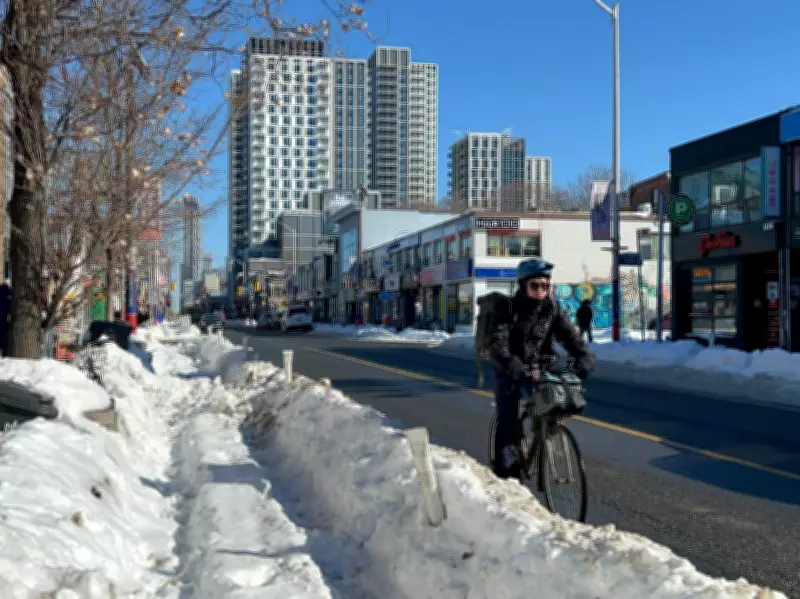
Cyclists in Toronto are raising their voices in frustration, stating that the city's snow-removal efforts are providing little assurance that their safety is being prioritized. This outcry comes a full week after Toronto was hit by a record-breaking snowstorm that deposited more than half a metre of snow in certain neighbourhoods, making navigation across the city exceedingly difficult for bike riders.
Advocates Press City for Action and Clarity
The condition of the city's bike lanes has prompted direct action from cycling advocates. Lawyer Dave Shellnutt took the step of writing to Toronto Mayor Olivia Chow, urging immediate rectification of the situation. In a letter posted on his website, Shellnutt highlighted the ongoing issues, noting that nearly all bike lanes remain completely obstructed, not just at entrances and exits, but with significant accumulations of snow and ice throughout.
"Our huge network of city infrastructure has been rendered useless and transportation options for many remain limited," Shellnutt emphasized. He pointed out that the city's focus on clearing residential streets, highway ramps, bridge decks, and hospital routes has seriously impacted cycling commuters and essential volunteer operations.

Record Snowfall and Its Aftermath
The storm, which struck on January 25, set records with 46 cm of snow at Pearson International Airport and even higher totals—exceeding 60 cm—in areas like Toronto city centre and south Scarborough. Despite the city's major snowstorm provisions, the aftermath has left bike lanes in a state of disrepair, affecting daily life and safety.
Karan Singh, a food delivery cyclist for Uber, shared his concerns with The Canadian Press, describing the current road conditions as very scary for cyclists due to impassable bike lanes. This sentiment is echoed by organizations like the Toronto Bike Brigade, which relies on cyclists to deliver essentials from food banks to those in need, now facing heightened risks on slippery streets without protected lanes.
Calls for a Clear Plan from City Officials
Michael Longfield, executive director of Cycle Toronto, is calling for better communication from the city regarding a timeline for clearing bikeways. "I think there's been a lot of patience and a lot of understanding that this was a major snow event," Longfield stated. "But I think at this point folks are starting to wonder what's the plan? It's been a week and we don't really have any clarity on when these bikeways will be clear and usable."
In response, the city acknowledged receiving hundreds of calls about bike lane maintenance over the past week but could not provide a specific timeline for clearance. Officials explained that during prolonged or heavy snowfall, crews often need to return multiple times to maintain safe conditions, as bike lanes can become re-covered by snow due to traffic, blowing snow, or nearby plowing operations.
Broader Implications for Urban Cycling Infrastructure
This situation underscores ongoing challenges in maintaining urban cycling infrastructure during extreme weather events. As Toronto grapples with the aftermath of the storm, the debate highlights the need for robust winter maintenance strategies that prioritize all modes of transportation, ensuring safety and accessibility for cyclists year-round.
The persistence of blocked bike lanes not only inconveniences daily commuters but also impacts volunteer efforts and economic activities, such as food delivery services. Moving forward, advocates hope for more proactive measures and transparent communication from city officials to prevent similar issues in future winter seasons.