Ottawa's ambitious goal to expand its urban tree cover is faltering, with environmental advocates warning that rapid development is consuming the city's greenery and a newly approved zoning bylaw will do little to reverse the trend.
Canopy Cover Goals Fall Short
Despite the city's official target of achieving 40 per cent canopy cover, numerous Ottawa neighbourhoods currently languish with coverage below 20 per cent. This shortfall comes amid a broader failure to meet planting promises. During the last municipal election, Mayor Mark Sutcliffe pledged to plant one million trees within his first term. Current progress indicates the city is now a staggering 900,000 trees short of that objective.
Development vs. Mature Trees
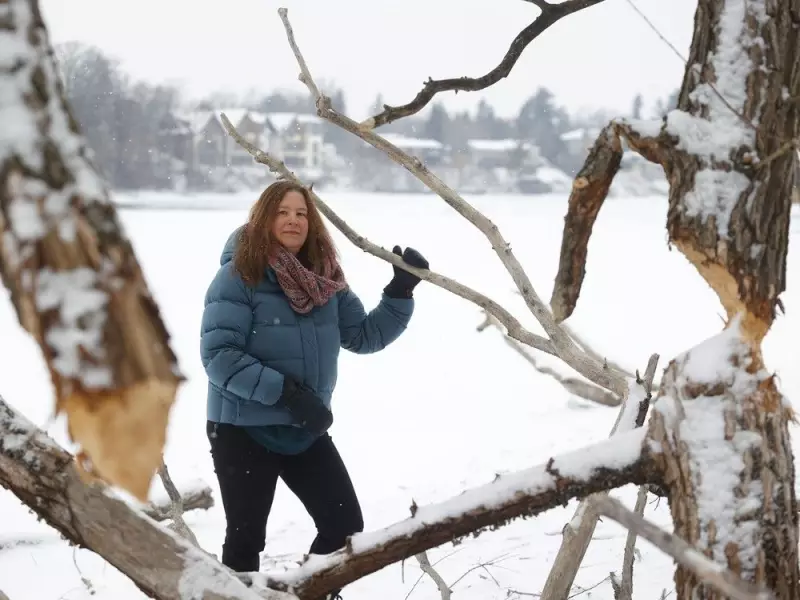
Local environmental groups point to real estate development as a primary culprit in the loss of mature trees across Ottawa. They argue that new trees struggle to survive and reach maturity in harsh urban conditions characterized by limited soil, road salt, and confined spaces. "We can’t have a concrete jungle with pavement everywhere," stated Erica Shardlow, the trees and greenspace coordinator for the Community Associations of Environmental Sustainability (CAFES). "We also can’t have new, small trees that don’t grow."

The advocacy network attended a key city planning and housing committee meeting on December 17, where a new zoning bylaw was approved. CAFES had called for regulations ensuring sufficient space on residential lots for trees to grow to full size in both front and back yards. Shardlow warned that the shrinking canopy is directly contributing to the formation of urban heat islands, where paved surfaces trap heat, elevating temperatures in areas with sparse tree cover. "We are already seeing heat islands in neighbourhoods downtown that lack canopy cover," she confirmed.
Zoning Bylaw Changes Deemed Insufficient
The newly approved zoning bylaw sparked concern among advocates. An initial draft proposed a front-yard setback of only three metres in key downtown subzones, including areas like Centretown and the Glebe—a distance deemed inadequate for planting large canopy trees. Following committee discussions, city staff recommended, and councillors approved, an increase to 4.5 metres for front-yard setbacks in subzone B.
While advocates like Shardlow welcomed this adjustment as a positive step, they believe it still falls short of what is necessary to ensure a healthy, growing urban forest. "Overall we feel that trees still could and should have been a much bigger concern and priority among staff," Shardlow commented. She did, however, acknowledge the significant effort city staff invested in the new zoning law.
The situation highlights the ongoing tension between urban intensification and environmental preservation in Ottawa. With specific green spaces, such as the corridor near McCarthy Woods, facing development pressure, volunteers like Mireille Trent of OSEAN continue to fight for protection. As the city grows, the challenge of maintaining and expanding its vital tree canopy against the tide of development remains a pressing and unresolved issue.