Ottawa's Oversized Box Store Parking Lots: A Barrier to Walkable Communities
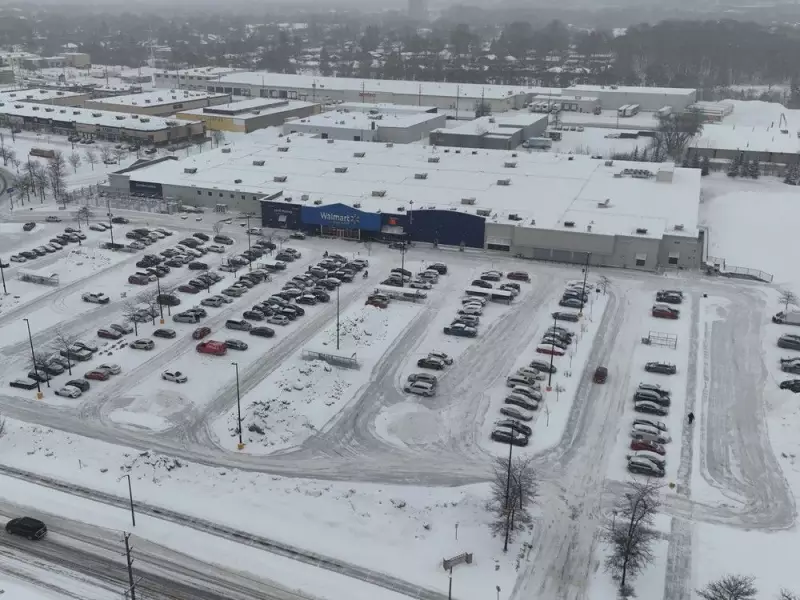
Have you ever attempted to walk across one of Ottawa's expansive box store parking lots? The experience can feel daunting, unwelcoming, and even hazardous. According to a compelling opinion piece by Mirja Reid and William van Geest, these vast seas of asphalt represent more than just an inconvenience—they actively undermine the City of Ottawa's Official Plan vision for fostering complete, car-lite neighborhoods.
The Vision Versus Reality of Ottawa's Urban Planning
The City of Ottawa's Official Plan commits to creating communities where residents can satisfy their daily needs—groceries, schools, parks, libraries, and shops—within their own neighborhoods. This vision of walkable, vibrant communities remains elusive for most Ottawa residents. While some neighborhoods enjoy close-by shops and services, many critically lack shopping diversity, forcing residents to drive, use ride-share services, rely on unreliable public transit, or simply forgo essential trips.
Even those living within walking distance of a superstore face a significant barrier: the oversized, often dangerous parking lot that must be traversed. These massive commercial parking areas create physical environments that are hostile to pedestrians and detrimental to the broader ecosystem.

The Economic and Environmental Costs of Car-Oriented Development
Large commercial centers, particularly box stores, can afford to offer hundreds of parking spots because they typically establish themselves in low-density areas with lower tax rates. Their operational scale provides economic advantages, but the consequences are substantial. The creation of these parking lots often involves destroying natural habitats like forests and wetlands to make way for more pavement.
Car-oriented stores also create a hostile economic environment, diverting consumers from local small businesses and undermining neighborhood vitality. The result of Ottawa's current policies, as highlighted by the authors, is a transportation system that is expensive, inefficient, and environmentally irresponsible.
A Critical Opportunity: Ottawa's New Zoning Bylaw
So how can Ottawa change this trajectory? One outstanding opportunity lies in the City's new Zoning bylaw, currently in its final draft and awaiting Council approval. This bylaw presents a chance to significantly improve land-use practices and implement the Official Plan's vision of complete communities.
The City has already demonstrated some commitment to reducing car-dependency by eliminating minimum parking requirements across most of the city. However, the proposed commercial parking maximums in the new bylaw only apply to developments within a 600-meter radius of existing or planned rapid transit stations. Furthermore, these maximums are set so high that even existing box stores would be largely unaffected.
This represents a missed opportunity to meaningfully address the oversized parking lot problem that plagues many Ottawa neighborhoods. Properly regulating commercial parking is essential to supporting small, walkable neighborhood shops and creating the vibrant, complete communities envisioned in Ottawa's Official Plan.
The conversation about Ottawa's urban future continues as residents and policymakers consider how to balance commercial development with community livability, environmental sustainability, and economic diversity.