Ottawa Bylaw Issues Public Warning Following Coyote Sighting in Kanata Neighbourhood
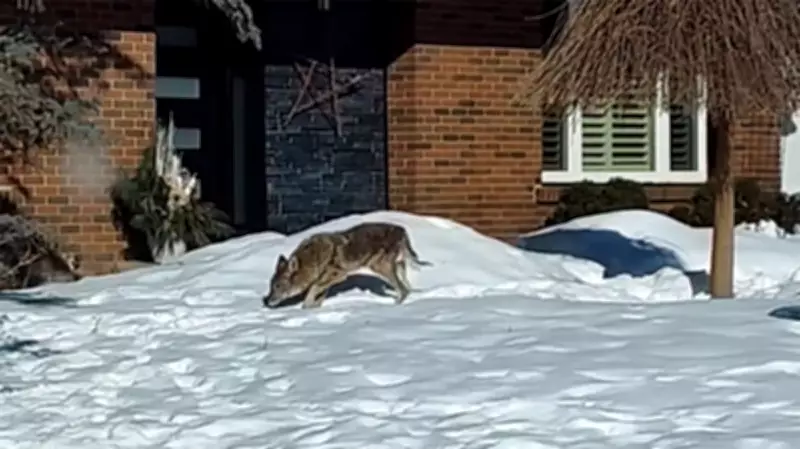
Ottawa Bylaw and Regulatory Services has issued a stern warning to residents after a coyote was observed in a residential area of Kanata. The incident, which occurred in daylight hours, has been directly linked to food that was left outside, prompting authorities to emphasize the importance of securing potential attractants.
Details of the Incident and Official Response
The sighting took place in a suburban Kanata neighbourhood, where a coyote was reportedly seen after food had been placed outdoors. Ottawa Bylaw officials confirmed the event and have since been actively reminding the community about the risks associated with leaving food accessible to wildlife. This warning comes as part of broader efforts to prevent human-wildlife conflicts in urban areas, particularly as coyote encounters can pose safety concerns for both pets and residents.
"Leaving food outside, whether intentionally or accidentally, can attract coyotes and other wildlife into residential zones," explained a representative from Ottawa Bylaw. "We urge all residents to properly store garbage, avoid feeding pets outdoors, and remove any food sources that might draw these animals closer to homes."

Broader Context and Safety Recommendations
This incident highlights ongoing challenges in managing wildlife in urban settings like Ottawa, where suburban expansion often intersects with natural habitats. Coyotes are adaptable creatures that can thrive in city environments, especially when food is readily available. To mitigate risks, Ottawa Bylaw recommends:
- Securing trash bins with tight-fitting lids
- Avoiding leaving pet food or water bowls outside overnight
- Keeping compost bins properly contained
- Supervising pets, especially small dogs and cats, when they are outdoors
- Reporting aggressive or unusual coyote behavior to authorities immediately
Residents are also encouraged to educate themselves about coyote behavior and coexistence strategies. While coyotes are generally wary of humans, food conditioning can reduce their natural fear, leading to more frequent and potentially dangerous encounters. By taking proactive measures, the community can help ensure both human safety and the well-being of local wildlife populations.
This warning serves as a timely reminder for all Ottawa residents to remain vigilant and responsible in their interactions with the urban ecosystem. As the city continues to grow, fostering a balanced approach to wildlife management becomes increasingly crucial for maintaining a safe and harmonious environment.