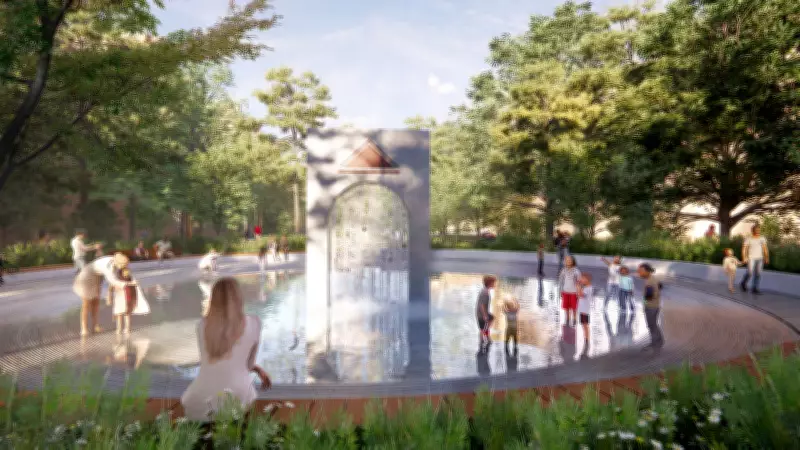
The much-anticipated revitalization of David Crombie Park in Toronto's St. Lawrence neighbourhood is underway, promising to transform the aging park into a model for future park renovations in the Greater Toronto Area and beyond. The project, led by Arcadis in collaboration with SLA and Tawaw Architecture Collective, aims to create a park that benefits both people and the environment.
A Park with a Storied Past
Built in the 1970s, David Crombie Park has served as a vital community hub for over 50 years, attracting tens of thousands of residents and providing a playground for two adjacent schools. However, the park's post-war design approach resulted in a disjointed mix of plantings, playgrounds, and plazas. In recent years, it has shown its age with deteriorating paving and crumbling walls.
Revitalization with a Vision
The revitalization project prioritizes functionality, safety, biodiversity, inclusivity, and sustainability. Rasmus Astrup of SLA, a nature-based design studio, describes the park as a corridor for social interaction and biodiversity. The upgrades include adding more trees, celebrating native species, and creating micro-habitats within the urban setting. These habitats benefit not only plants and animals but also the people living nearby.

Community Engagement
A five-year community engagement initiative heavily influenced the final design. Key elements include introducing lighting for safety, adding benches with backrests to low concrete retaining walls, and installing new wooden benches, seats, and platforms throughout the park. Pathways are fully accessible, and flexible seating arrangements are incorporated into new plazas.
Indigenous Inclusion
The park's inclusivity extends to a strong Indigenous component. The Indigenous-owned Tawaw Architecture Collective was brought into the consulting process, leading to the inclusion of Indigenous boulder carvings, gathering spaces, and a dedicated area for sacred fires.
Environmental Sustainability
Environmental impact has been central to the project. The Arcadis/SLA team convinced the city to revitalize rather than rebuild from scratch, saving every paver, stone, and wall possible, and repainting fences and light poles. This approach significantly reduces the carbon footprint. Neno Kovacevic of Arcadis emphasizes the importance of addressing construction-related carbon emissions to mitigate extreme weather and enhance city resilience.
Award-Winning Design
Last year, the revitalization plan won the prestigious Pineapple design award for "Best International Future Place." The project's success could serve as a blueprint for other parks from the 1960s and 1970s needing renovation, both in North America and Europe.
Ultimately, the biggest winners are the neighbourhood's 35,000 residents, who will soon enjoy a world-class park that puts people and the planet first.