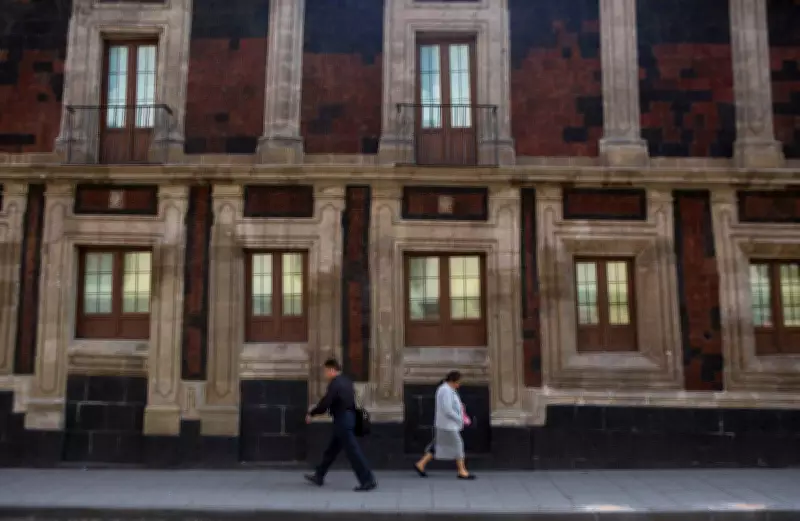
Mexico City is sinking so rapidly that the phenomenon is now detectable from space, according to recent satellite observations. The historic capital, built on the drained lake bed of Lake Texcoco, has long been known for its uneven subsidence, which has caused many buildings to tilt noticeably over decades or centuries. However, new data from space agencies show the rate of sinking has accelerated, raising concerns about infrastructure stability and long-term urban planning.
Groundwater Extraction Blamed
Scientists attribute the accelerated sinking primarily to excessive groundwater extraction. As the city's population grows, demand for water has led to the pumping of aquifers beneath the city, causing the soft clay and silt layers to compact. This process, known as subsidence, is causing some areas to sink by up to 50 centimeters per year. The uneven nature of the sinking is particularly damaging, as it stresses buildings, roads, and water and sewage systems.
Satellite Monitoring
Using interferometric synthetic aperture radar (InSAR) from satellites, researchers have mapped the subsidence with unprecedented precision. The data reveal that certain neighborhoods, especially those in the eastern and central parts of the city, are sinking faster than others. The findings have been published in a leading geophysical journal, highlighting the urgent need for sustainable water management.

City officials have acknowledged the problem and are exploring solutions, including rainwater harvesting, water recycling, and importing water from outside the basin. However, implementing these measures on a large scale remains a challenge due to cost and logistical hurdles.
Historical Context
Mexico City's sinking is not new. Since the Spanish built the city on the ruins of Tenochtitlan, the Aztec capital, the city has been slowly settling. But the rate has increased dramatically in recent decades due to population growth and industrialization. Some historic buildings, such as the Metropolitan Cathedral and the Palace of Fine Arts, have been stabilized with underpinning and other engineering techniques, but many others remain at risk.
Experts warn that without immediate action, the sinking could lead to more severe damage, including cracked foundations, broken water mains, and increased flooding risk. The situation is a stark reminder of the environmental and urban challenges facing megacities around the world.