Uncovering the Hidden Depths of Canada's Urban Landscapes
While Canada's cities present gleaming skylines and bustling streets to the world, beneath the surface exists a complex network of invisible underworlds that few ever see. These subterranean spaces—from forgotten utility tunnels to abandoned transit corridors—form parallel cities that operate silently beneath our feet, shaping urban life in ways most residents never consider.
The Architecture of the Unseen
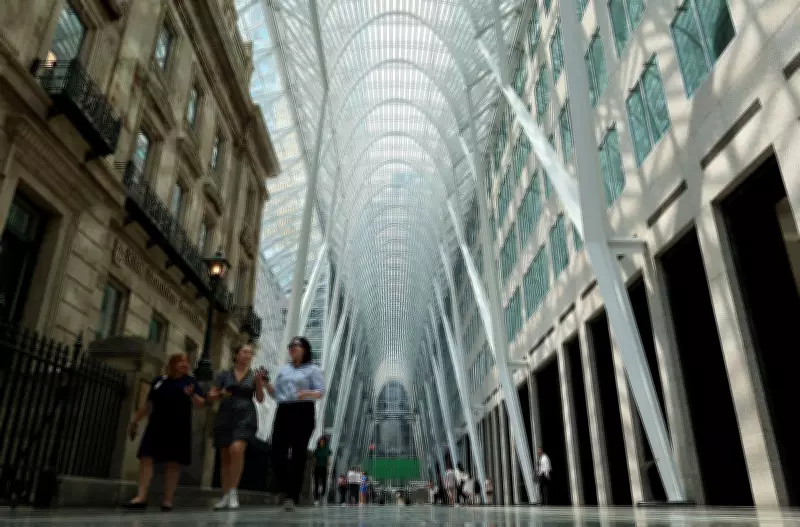
Toronto's Brookfield Place, with its Santiago Calatrava-designed galleria housing the Hockey Hall of Fame, represents just the visible tip of the city's architectural iceberg. Below this iconic structure lies a maze of service tunnels, maintenance corridors, and utility passages that keep the building functioning. Similar hidden networks exist beneath Montreal's historic streets, where aging infrastructure creates what locals call "pothole problems" on the surface while concealing complex drainage and transit systems below.
Across Canadian cities, these invisible spaces serve critical functions:

- Utility distribution networks for electricity, water, and telecommunications
- Emergency access corridors for maintenance and repairs
- Historical remnants of earlier urban development phases
- Climate-controlled pathways that protect infrastructure from extreme weather
Weathering the Storms from Below
When "high impact" storm systems bring freezing rain and snow to the Greater Toronto Area, or when Atlantic Canada faces offshore wind potential assessments, these underground networks become particularly important. They house the infrastructure that keeps cities functioning during extreme weather events, from electrical systems that power emergency services to drainage networks that prevent flooding.
The recent winter storm warnings across Canada highlight how these hidden systems work overtime during severe weather. As freezing rain threatens power lines and snowfall tests transportation networks, the invisible underworlds provide protected pathways for essential services to continue operating.
The Human Element in Hidden Spaces
These subterranean areas aren't just mechanical spaces—they're also workplaces for thousands of maintenance workers, engineers, and emergency responders. From the technicians who contain electrical fires in downtown London to the crews addressing rodent issues in Winnipeg eateries, professionals navigate these hidden corridors daily to keep cities safe and functional.
Yet these spaces also present challenges. The same infrastructure that protects cities can sometimes fail, as seen when unsanitary conditions force restaurant closures or when aging systems contribute to urban problems. Montreal's acknowledged lack of funding for pothole solutions reflects broader issues with maintaining both visible and invisible urban infrastructure.
Looking to the Future
As Canada's provinces contend with fresh shocks ahead of the 2026 budget season, investment in both visible and invisible urban infrastructure will be crucial. The massive potential of Atlantic Canada's offshore wind energy, for instance, will require substantial underground transmission networks to deliver power to population centers.
Similarly, innovations in sustainable urban development—from green building techniques to waste management systems—increasingly rely on sophisticated subterranean networks. These hidden spaces may hold solutions to many of Canada's urban challenges, from environmental sustainability to efficient transportation.
The invisible underworlds beneath Canadian cities represent more than just utility corridors—they're integral components of urban ecosystems that deserve greater attention and understanding as we plan for the cities of tomorrow.