Bridge Brushing in Edmonton Contaminates River with Microplastics, Conservationists Warn
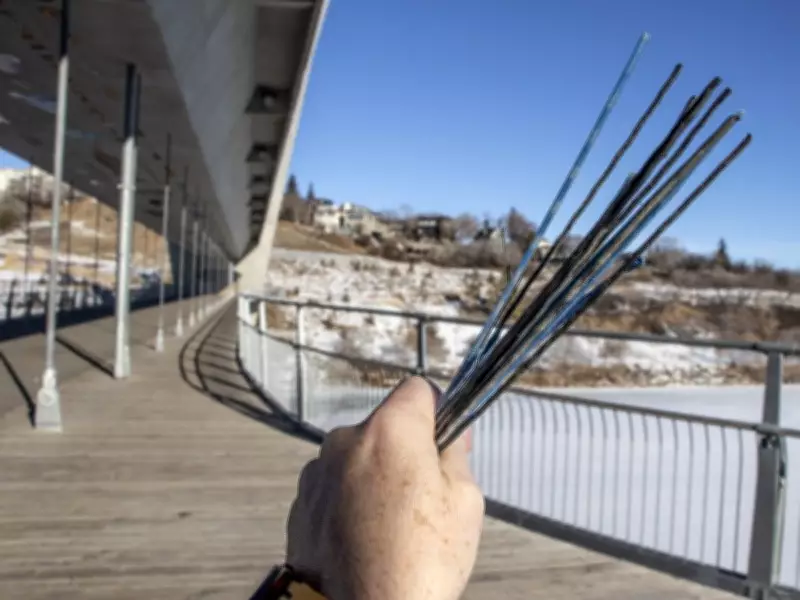
Environmental advocates in Edmonton are raising alarms over the city's snow removal practices, which they say are contaminating the North Saskatchewan River with microplastics. The issue centers on plastic bristles and wire fragments shed from snow-clearing brushes used on bridges, particularly the Tawatinâ bridge, where volunteers have collected significant amounts of this debris.
Mounting Evidence of Plastic Pollution
According to conservation groups, volunteers have gathered over 500 plastic bristles on the Tawatinâ bridge this month alone. Since 2019, the Edmonton River Valley Conservation Coalition has collected a staggering 16,618 bristles and thousands of wire fragments. Kristine Kowalchuk, chair of the coalition, expressed deep concern about the scale of the problem.
"That was just five of us, on our regular walks through the river valley," said Kowalchuk, who has been urging the city to change its practices for years. "If that's how many we've picked up, how many have gone into the river?"

Environmental Impact and Health Concerns
The plastic pollution poses multiple threats to the local ecosystem:
- Plastic products can take anywhere from 20 to 1,000 years to break apart
- They never decompose completely, instead breaking down into microplastics
- These microplastics can harm fish, birds, and other wildlife
- Humans ultimately re-absorb and consume these plastics through the food chain
Melissa Gorrie, founder of Waste Free Edmonton, echoed these concerns, stating that the city is effectively permitting plastic pollution to enter the river. "It's a longstanding issue and it's not really improving," she said. "What we have here is the city enabling and permitting plastic pollution. It shouldn't be on citizens to go and pick them up."
Calls for Alternative Snow Removal Methods
Both environmental advocates are calling for Edmonton to return to blading bridges for snow removal, a method they believe would eliminate the plastic contamination. Kowalchuk pointed to the town of Nanton as an example, which switched to blading following a 2023 article on bristle pollution in Alberta Views magazine.
The controversy comes as Edmonton debates broader snow removal strategies. The city recently emerged from its fifth heaviest snowfall on record, prompting discussions about various approaches:
- A Montreal-style system of hauling snow away
- Returning to calcium chloride (CaCl₂) use
- Exploring variants of calcium chloride with inhibiting agents
Ward Ipiihkoohkanipiaohtsi Councillor Jon Morgan has put forward a notice of motion asking administration to examine all available options for snow removal. However, conservationists argue that simply using more calcium chloride isn't the solution to the plastic pollution problem.
The Path Forward for Edmonton
As Edmonton continues to evaluate its snow removal program, environmental groups emphasize that the plastic contamination issue requires immediate attention. The accumulation of microplastics in the North Saskatchewan River represents not just an environmental concern but a public health issue that affects the entire ecosystem.
The debate highlights the complex balance municipalities must strike between effective winter maintenance and environmental protection, with advocates urging Edmonton to prioritize solutions that don't come at the cost of river health.