Heritage Group Advocates for Adaptive Reuse to Prevent Major Building Fires
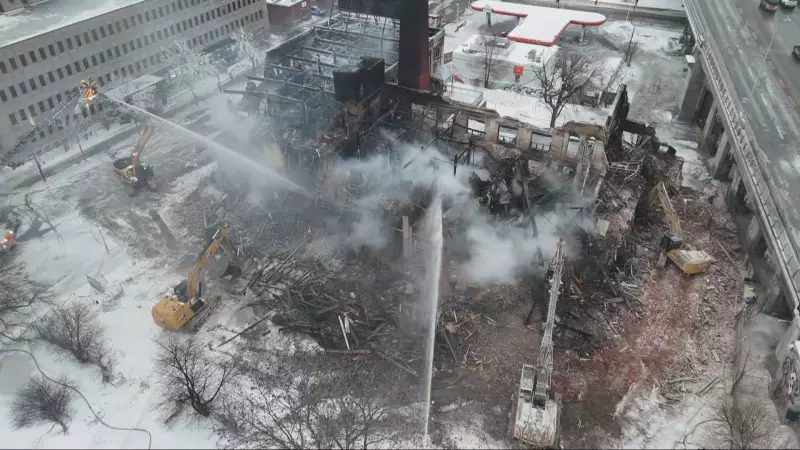
A heritage organization is highlighting the critical importance of finding new uses for older buildings as a proactive measure to prevent major fires. This call to action comes in the wake of a significant fire at a vacant heritage building in Montreal, which led to the closure of a major bridge and severely impacted travel across the city.
The Montreal Incident and Its Broader Implications
The fire at the vacant heritage structure in Montreal serves as a stark reminder of the vulnerabilities associated with unoccupied historical properties. When such buildings are left empty, they often become targets for vandalism, arson, or accidental fires due to neglect. The resulting closure of a key bridge not only caused widespread travel disruptions but also underscored the potential for these incidents to escalate into public safety crises.
Adaptive reuse, which involves repurposing older buildings for modern functions, is presented as a viable solution. By integrating these structures into the community through residential, commercial, or cultural uses, they are more likely to be maintained, monitored, and secured, thereby reducing fire risks.

Benefits of Adaptive Reuse Beyond Fire Prevention
Beyond enhancing fire safety, adaptive reuse offers several additional advantages:
- Preservation of Cultural Heritage: It helps retain the architectural and historical character of communities, contributing to local identity and tourism.
- Environmental Sustainability: Reusing existing buildings reduces construction waste and the carbon footprint associated with new developments.
- Economic Revitalization: It can stimulate local economies by creating jobs, attracting businesses, and increasing property values in surrounding areas.
The heritage group argues that municipalities and property owners should prioritize adaptive reuse strategies, potentially through incentives or regulatory support, to safeguard both built heritage and public safety.
Challenges and Considerations
Implementing adaptive reuse is not without its challenges. Older buildings may require significant upgrades to meet modern safety codes, including fire suppression systems, electrical wiring, and structural reinforcements. However, the group emphasizes that these investments are often more cost-effective and socially beneficial than dealing with the aftermath of a catastrophic fire.
As cities across Canada continue to grow and evolve, the integration of heritage preservation with urban development planning becomes increasingly crucial. Proactive measures, such as adaptive reuse, can help prevent incidents like the Montreal fire, ensuring that historical assets are protected while enhancing community resilience.