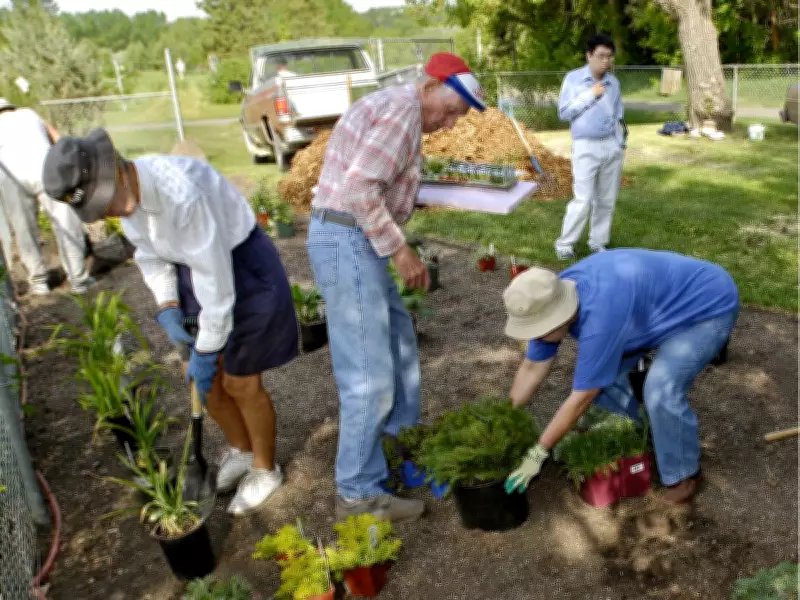
One of the buzzwords on the gardening scene is xeriscaping. By definition, xeriscaping is the art of creating a landscape with the goal of reducing water usage. A favourite quote from Sara Williams' book Creating the Prairie Xeriscape states: "Xeriscaping is an environmentally friendly approach to your yard and garden which leaves your portion of the world in as good or better shape than when you assumed stewardship." Gardeners are stewards of the earth, and water conservation is a key responsibility.
What Xeriscaping Really Means
Xeriscaping does not mean a total lack of water in the landscape. Instead, it involves planning a landscape that uses a minimum of water in addition to natural rainfall. This includes not only selecting plants with lower water requirements but also incorporating cultural practices such as soil preparation, amendments, and the use of mulch to maintain existing moisture levels in the soil.
Soil Preparation for Xeriscaping
Soil that is poor in organic matter is not suitable for a xeriscape. However, any soil can be improved to increase its moisture-holding capacity through the addition of soil amendments like compost or manure. These additives enhance the soil's nutritive properties and its ability to retain water.

Choosing the Right Plants
The plants chosen for a xeriscape are critical to its success. It is essential to research and select plants suited for low-water conditions and appropriate for specific spots and exposures. Native plants are an excellent choice because they naturally thrive under local conditions, eliminating the need for hand watering. In addition to reducing water dependency, native plants offer benefits such as low maintenance and carbon sequestration—the process of capturing carbon dioxide from the atmosphere and storing it in the soil. Native plants are also well-adapted to living without supplemental fertilizers.
Resources for Xeriscaping
The Alberta Native Plant Council provides plant collection guidelines for horticultural uses of native plants, available at anpc.ab.ca. These guidelines address ethical collection practices to minimize environmental impact. Another excellent resource is the Edmonton Native Plant Society website at enps.ca, which offers tools and learning materials for both beginners and experienced xeriscapers.
Further Information
For more gardening tips, read the weekly column Growing Things Outdoors at edmontonjournal.com or in epaper format at epaper.edmontonjournal.com. Send questions to filipskigerald@gmail.com, read past columns, or refer to the book Just Ask Jerry. Follow on X (Twitter) @justaskjerry01.