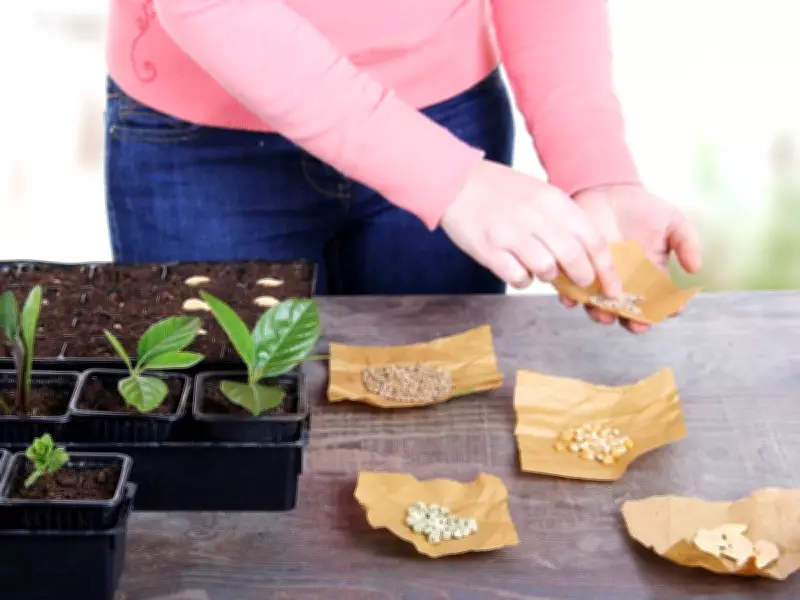
Many gardeners wonder about the best way to store leftover seeds from year to year. Helen Chesnut, a gardening expert, shares her insights on ideal seed storage conditions to maximize viability.
Why Storage Conditions Matter
Moisture, light, and warmth can trigger germination prematurely, reducing seed lifespan. To keep seeds viable for as long as possible, store them in conditions that are the opposite: dry, dark, and evenly cool. Chesnut recommends using a cupboard located against a north-facing wall, which remains consistently cool.
Common Mistakes to Avoid
One neighbor stored seeds in a kitchen drawer, but this is not advisable. Kitchens are often warm and can have high humidity from cooking, both of which can damage seeds. Similarly, avoid attics, garages, or windowsills where temperature fluctuations are common.

Handling Dug-Up Tulip Bulbs
If you have dug up tulip bulbs, the best approach depends on their stage of growth. Ideally, after flowering, cut off spent blooms and allow the foliage to die back gradually with reduced watering before digging. Alternatively, transplant the deadheaded plants to a prepared bed and let them wither naturally. If bulbs are dug after full withering, store them in a dark, cool place until autumn planting.
Planting Radicchio for Fall and Winter
For a fall or winter radicchio crop, sow seeds indoors in late June to early July. Direct sowing in summer heat can lead to poor germination. Transplant seedlings in August, often into a vacated pea bed, as temperatures cool.
By following these tips, you can extend the life of your seeds and bulbs, ensuring a thriving garden season after season.