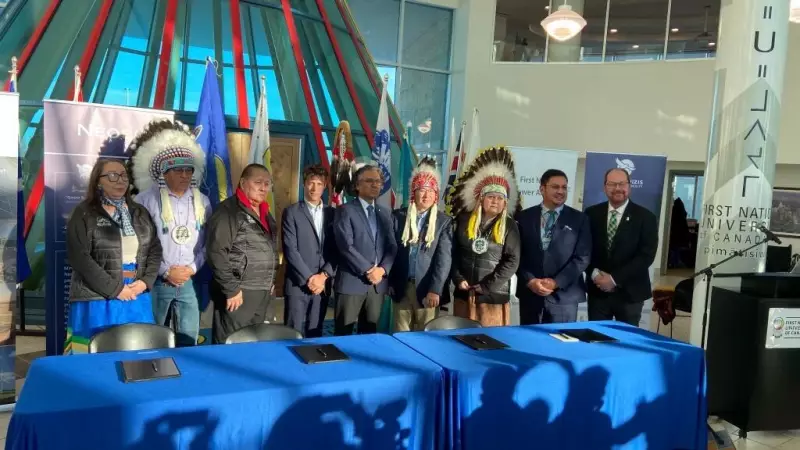
In a significant move for both clean energy and economic reconciliation, SaskPower has finalized an agreement to develop a new solar power facility that will be operated by an Indigenous community. The announcement was made at the First Nations University of Canada in Regina on Wednesday, January 14, 2026.
A Partnership for Sustainable Energy
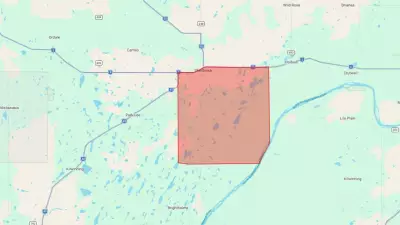
The agreement marks a pivotal step for Saskatchewan's energy sector, directly involving Indigenous leadership in the province's renewable energy future. While the specific financial details and capacity of the solar farm were not immediately disclosed, the facility will be situated near the community of Lajord, southeast of Regina.
The signing ceremony highlighted the dual goals of the project: advancing Saskatchewan's clean electricity grid and creating tangible economic opportunities for Indigenous partners. This model of community-owned and operated infrastructure is seen as a blueprint for future collaborations between Crown corporations and First Nations.

Ceremony at a Symbolic Venue
Choosing the First Nations University of Canada as the venue for the announcement was a deliberate and symbolic act. It underscored the commitment to embedding Indigenous knowledge and leadership into the core of provincial development projects. The event brought together representatives from SaskPower, the involved Indigenous community, and government officials.
This project arrives as SaskPower faces public pressure regarding planned electricity rate increases, with groups like the Canadian Federation of Independent Business urging the utility to reconsider, arguing businesses and residents "simply can’t afford" higher costs. The new solar facility represents part of the long-term strategy to diversify the energy mix.
Broader Context and Future Implications
The Indigenous-run solar facility is part of a growing trend across Canada where First Nations, Métis, and Inuit communities are becoming key players in energy production. These projects offer a path toward energy independence, revenue generation, and meaningful participation in the climate economy.
For Saskatchewan, a province historically reliant on fossil fuels, this agreement signals a concrete shift toward its stated renewable energy goals. It also demonstrates a practical application of reconciliation, moving beyond symbolism to create shared ownership and prosperity. The success of the Lajord-area project will likely be closely watched as a model for similar initiatives across the Prairies and beyond.