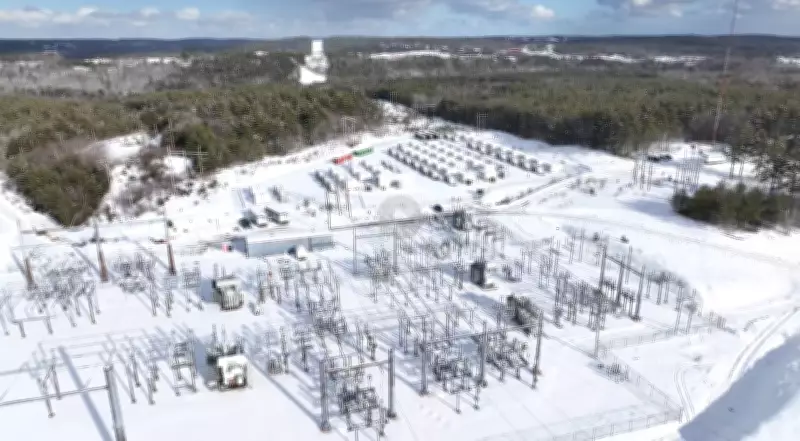
Nova Scotia Power Commissions Two Grid-Scale Battery Storage Facilities
Nova Scotia Power has announced that two of its major grid-scale battery storage facilities are now fully operational, representing a substantial advancement in the province's energy infrastructure. This development is part of a broader strategy to enhance grid reliability, integrate renewable energy sources, and support Nova Scotia's transition toward a more sustainable power system.
Enhancing Grid Stability and Renewable Integration
The newly activated facilities are designed to store electricity during periods of low demand and release it during peak usage times. This capability is crucial for balancing the grid, especially as Nova Scotia increases its reliance on intermittent renewable sources like wind and solar power. By providing rapid response services, these batteries help stabilize voltage and frequency, reducing the risk of outages and improving overall system resilience.
One of the key sites is located in Bridgewater, Nova Scotia, where the battery installation has been completed and is now contributing to local energy management. The Bridgewater facility, along with its counterpart, utilizes advanced lithium-ion technology to offer high-capacity storage solutions. These projects align with provincial goals to reduce greenhouse gas emissions and meet growing electricity demands efficiently.

Strategic Importance for Nova Scotia's Energy Future
The commissioning of these battery facilities underscores Nova Scotia Power's commitment to modernizing its grid infrastructure. As the province works toward its target of achieving 80% renewable energy by 2030, energy storage systems play a pivotal role in ensuring a smooth transition. They enable better management of renewable generation, mitigate curtailment issues, and provide backup power during emergencies.
This initiative also reflects broader trends in the Canadian energy sector, where utilities are increasingly investing in storage technologies to address climate change and enhance operational flexibility. The successful deployment of these batteries could serve as a model for other regions looking to bolster their grid capabilities while supporting environmental objectives.
Looking ahead, Nova Scotia Power plans to continue expanding its energy storage portfolio, with further projects in development to support long-term sustainability and reliability. The operational status of these two facilities marks a significant milestone in the province's journey toward a cleaner, more resilient energy future.