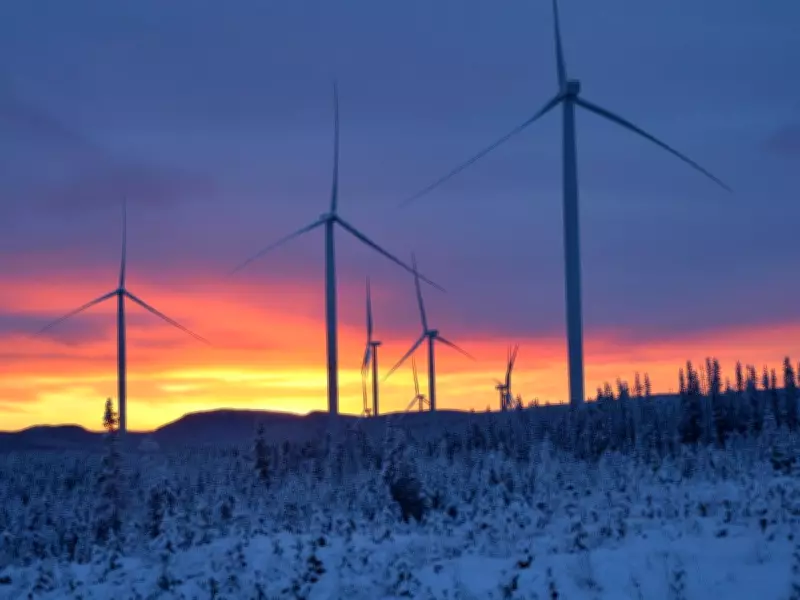
Last week, B.C. Hydro awarded electricity purchase agreements for four major wind projects, totalling 1,158 MW of capacity. These will deliver roughly 3,500 GWh of clean electricity annually — enough to power about 400,000 homes. Leading the pack is the 496 MW Nicola Wind Project, developed by Elemental Energy Renewables in partnership with the Upper Nicola Band. It will be the largest wind farm ever built in Canada.
The direct numbers are impressive — capital costs of approximately $2 million per MW translate into more than $2 billion in private investment across the Peace River region and the Okanagan over the next five years. Over the 30-year life of the contracts, B.C. Hydro’s procurement will exceed $7 billion in payments. These projects will help keep long-term electricity rates competitive while supporting rapid demand growth from electrification, housing, and industry.
A Historical Echo
This moment echoes B.C.’s transformative hydro development era of the 1960s and 1970s. Under the bold leadership of Premier W.A.C. Bennett and his government, the province built the W.A.C. Bennett Dam, Mica, Revelstoke, and other landmark projects. Those visionary leaders had the foresight to harness B.C.’s rivers on a massive scale, creating the reliable, low-cost power foundation that still defines our system today. The ripple benefits were profound: They powered industrial expansion (including aluminum smelters and forestry), attracted investment, created thousands of construction and long-term jobs, spurred regional infrastructure, and supported decades of economic growth and population influx across the province.

Today’s wind build-out carries the potential for parallel effects when we need them most. But the real story lies beyond the turbines themselves. B.C.’s accelerating wind expansion is poised to catalyze secondary and tertiary economic opportunities that could reshape regional manufacturing, supply chains, technology development, and skilled trades for decades.
Secondary Supply Chain Boom
Wind projects are voracious consumers of steel, concrete, electrical equipment, and specialized components. A single modern turbine tower can require hundreds of tonnes of high-strength steel sections up to six metres wide and 150 metres tall when assembled. With federal tariffs now at 30 per cent on many imported steel components, the economics of domestic production have shifted dramatically.
B.C. and neighbouring provinces lack sufficient local capacity for large-scale wind tower fabrication today. This gap creates a compelling case for new or expanded steel manufacturing facilities — potentially a state-of-the-art mill in B.C. itself. Such a facility could serve not only these wind projects, but also future pipeline work, mining equipment, and other infrastructure needs. The market signal is clear: multi-billion-dollar demand is materializing now.
With deliberate industrial strategy, B.C.'s wind expansion — like the hydro projects before it — becomes a platform for rebuilding manufacturing muscle, shortening supply chains, and positioning the province as a clean energy technology exporter.