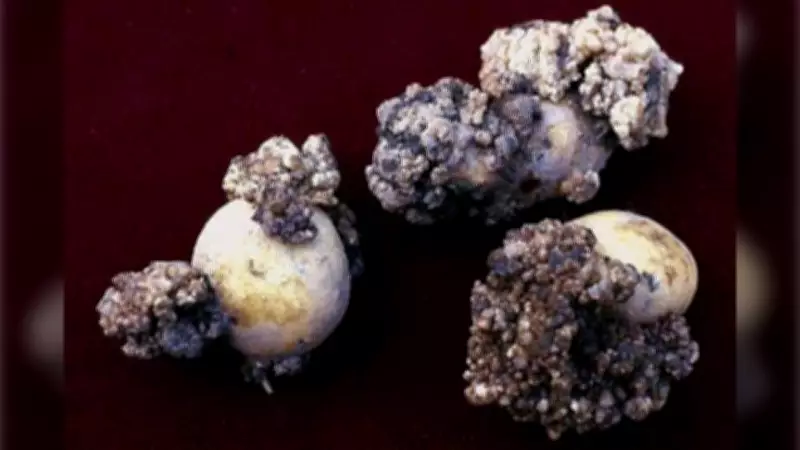
U.S. industry groups are pushing for a ban on fresh potatoes from Prince Edward Island after potato wart was detected on a P.E.I. farm for the first time in several years. The Canadian Food Inspection Agency confirmed the presence of the fungal disease, which poses a threat to potato crops and has raised concerns among American agricultural stakeholders.
Trade Implications
The detection has reignited tensions over potato trade between Canada and the United States. U.S. growers argue that the disease could spread to domestic farms if imports continue, while Canadian officials emphasize that strict biosecurity measures are in place. The dispute could affect millions of dollars in exports from P.E.I., a province heavily reliant on potato production.
Industry Response
Canadian potato farmers are working with regulators to contain the outbreak and prevent further spread. The CFIA has implemented quarantine protocols on the affected farm and is conducting additional testing in surrounding areas. Meanwhile, the U.S. Department of Agriculture is reviewing the situation and may impose restrictions if the risk is deemed significant.

This is not the first time potato wart has led to trade disruptions. A similar detection in the early 2000s resulted in a temporary ban on P.E.I. potatoes to the U.S., which was eventually lifted after extensive monitoring and control efforts. Farmers hope for a swift resolution to avoid long-term economic damage.
The situation remains fluid, with both sides seeking a balanced approach that protects agricultural health without undermining trade relations.