In a drastic move to address a persistent and hazardous environmental crisis, authorities in India's capital have announced a new set of emergency restrictions. The government of Delhi is imposing limits on vehicle usage and mandating reduced attendance at offices in a bid to curb dangerously high levels of air pollution.
Emergency Measures Enacted
The decision, reported by Reuters on December 17, 2025, represents the latest effort to combat the toxic smog that regularly envelops the megacity, especially during the winter months. The specific details of the vehicle restrictions, often implemented under a "graded response action plan," typically involve allowing cars on the roads only on alternate days based on their license plate numbers. Simultaneously, a directive for reduced office attendance aims to decrease the number of commuters and overall economic activity contributing to emissions.
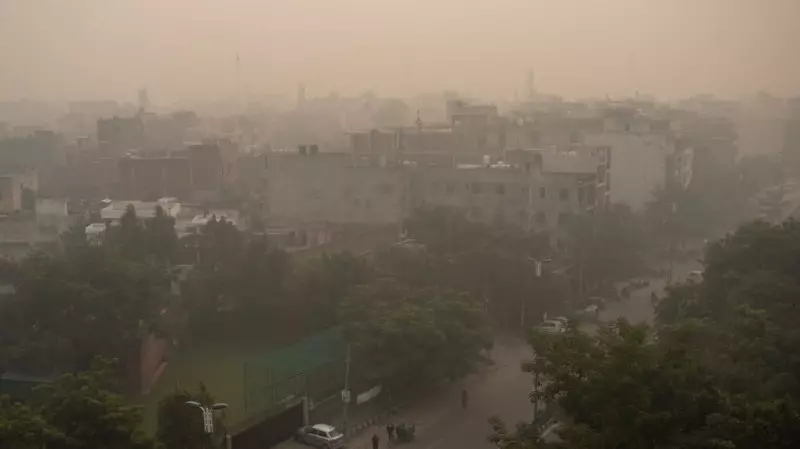
This scene is grimly familiar to Delhi's residents. The city's skyline is frequently obscured by a thick, grey haze, a problem vividly captured in an Associated Press photograph from November 5, 2021, which showed morning smog swallowing the urban landscape. The current measures underscore that, years later, the battle for breathable air continues with unabated urgency.

The Persistent Pollution Crisis
Delhi's air pollution is a complex issue with multiple contributors. Industrial emissions, construction dust, the burning of agricultural waste in neighbouring states, and the sheer volume of traffic all combine to create a public health emergency. The air quality index (AQI) often soars into the "severe" and "hazardous" categories during this season, leading to school closures, flight disruptions, and a surge in respiratory illnesses among the population.
The government's latest actions target two of the most visible and significant sources: vehicular exhaust and the daily movement of millions of people. By limiting cars and reducing the flow of commuters to government and private offices, authorities hope to achieve an immediate, albeit temporary, reduction in pollutant concentrations.
Broader Implications and Challenges
While these emergency steps are crucial for short-term relief, they also highlight the immense challenge of finding sustainable, long-term solutions. Such restrictions disrupt daily life and economic activity, pointing to the need for more permanent infrastructure changes, such as a massive shift to public transportation, stricter industrial regulations, and regional cooperation to address agricultural burning.
The recurring need for such severe interventions illustrates the scale of the environmental and public health crisis facing Delhi. Each winter, the city becomes a focal point for global discussions on urban air quality and the difficult trade-offs between economic growth, public convenience, and environmental survival.
As Delhi implements these latest vehicle and office restrictions, the world watches to see their effectiveness. The outcome will not only impact the health of over 20 million residents but also serve as a critical case study for other megacities grappling with similar atmospheric challenges.