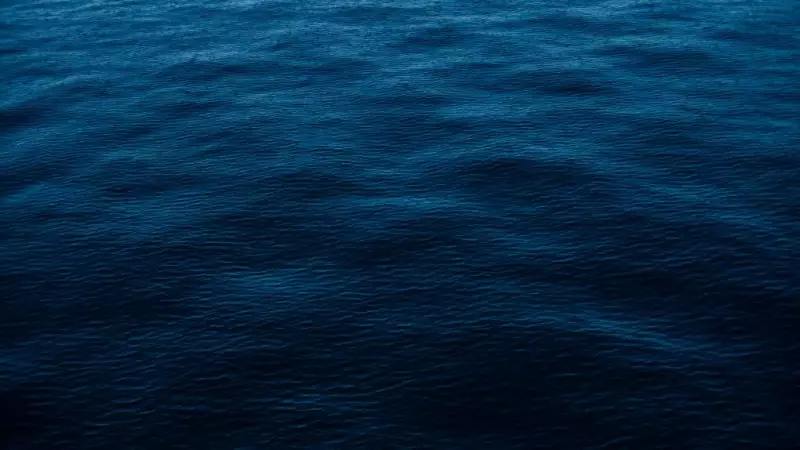
In a groundbreaking yet sobering expedition, scientists have descended hundreds of feet into the planet's deepest oceans, uncovering marine creatures previously unknown to humanity. The remarkable discovery, however, was marred by a familiar and depressing sight: human-generated trash had already beaten the researchers to these remote depths.
A Voyage into the Unknown
The research team, whose findings were highlighted in a recent report, utilized advanced submersible technology to plunge into lightless ocean zones rarely visited by humans. Their mission was to document the biodiversity thriving under immense pressure and in complete darkness. What they found was a collection of bizarre and beautiful organisms, lifeforms that have evolved in total isolation and have never been catalogued by science. These discoveries hold immense potential for understanding evolution and the resilience of life on Earth.
The Unwelcome Pioneer: Human Trash
The triumph of discovery was quickly tempered by a harsh environmental reality. Amidst the alien landscapes and newly found species, the scientists encountered debris from human civilization. Plastic waste and other refuse had settled on the ocean floor, polluting one of the last untouched frontiers on the planet. This evidence proves that even the most remote and inaccessible ecosystems are not immune to the far-reaching impact of human pollution. The trash serves as a stark indicator of how deeply our consumer habits penetrate the natural world.

Implications for Conservation and Science
This dual discovery—of both profound biological novelty and profound human carelessness—creates a critical moment for environmental science and policy. The newly discovered species are now part of an ecosystem already under threat from anthropogenic activity. Researchers emphasize that these deep-sea environments are fragile and slow to recover from disturbance. The presence of pollution at such depths underscores the urgent need for improved global waste management and stronger measures to prevent plastics from entering marine environments. Protecting these newly discovered creatures means addressing the pollution that has already arrived at their doorstep.
The expedition reinforces a crucial, if unsettling, message: no part of our planet remains beyond the influence of human activity. As science pushes the boundaries of exploration to discover new life, it simultaneously documents the extensive footprint of our waste. The race is now on to study and protect these deep-sea wonders before the pollution that preceded us causes irreversible harm.