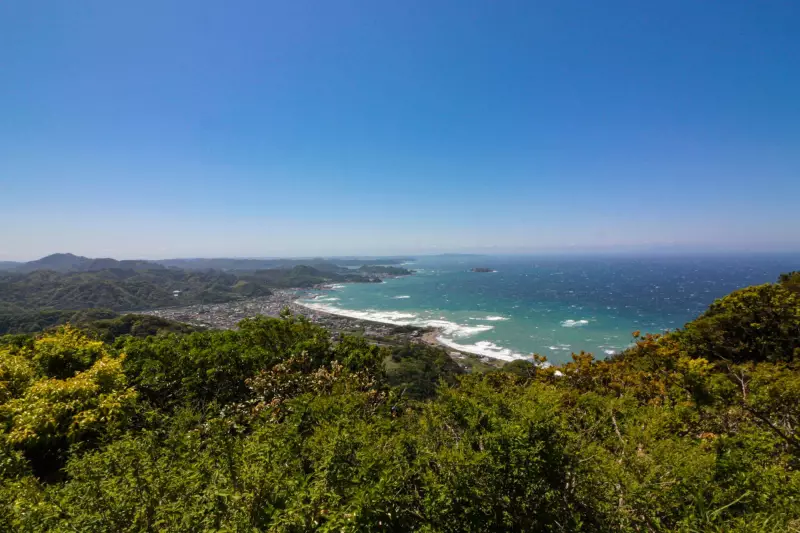
Scientists are closely monitoring a series of unusual and significant sea level changes occurring off the coast of Japan, a phenomenon considered among the most peculiar on Earth. The changes are being driven by a major shift in a powerful ocean current, with potential implications for regional climate and marine environments.
The Kuroshio Current's Unexpected Path
The core of the issue lies with the Kuroshio Extension, a major ocean current that is a continuation of the Kuroshio or "Black Current." This warm water current flows northeast from Taiwan past Japan, acting like a river in the sea. Historically, near the Boso Peninsula—which forms the eastern edge of Tokyo Bay—the Kuroshio Extension typically banks away from the Japanese coastline and heads eastward into the open Pacific.
However, recent observations show a stark deviation from this long-standing pattern. In recent years, the current has continued flowing northward instead of turning east, transporting an unprecedented volume of warm water much closer to the Japanese shore than usual. This persistent northward flow is the primary engine behind the strange sea level fluctuations being recorded.

Consequences of a Warmer Coastal Zone
The influx of warm water carried by the altered current path has direct and measurable effects. Sea surface temperatures in the region have risen significantly, creating a warmer coastal zone. This warming causes the water to expand thermally, contributing directly to higher local sea levels. Furthermore, the change in current dynamics can alter local ocean topography, piling water up along the coast.
This phenomenon is more than just an oceanic curiosity. These sea level changes can influence local weather patterns, affect fisheries by altering marine habitats, and potentially impact coastal infrastructure. The situation provides a real-time case study of how shifts in major ocean circulation systems, which can be influenced by broader climate change, manifest in specific regional impacts.
A Global Climate Connection
While the event is localized off Japan, oceanographers and climate scientists view it through a global lens. Large-scale ocean currents like the Kuroshio are integral components of the Earth's climate system, redistributing heat and influencing weather worldwide. Significant deviations in their behavior are often linked to larger climate oscillations and trends.
The ongoing monitoring of this event off Japan's coast underscores the complex and sometimes unexpected ways in which oceanic and atmospheric systems interact. It highlights the need for sustained observation to understand and predict how these vital planetary systems will respond to a changing climate.