In a landmark year for ocean governance transparency, Global Fishing Watch has achieved unprecedented technological breakthroughs while expanding its global partnerships with national governments. The international nonprofit organization released its 2025 Annual Report today, detailing substantial progress toward its ambitious 2030 goal of mapping all human activity at sea and transforming ocean management practices worldwide.
Technological Advancements Revolutionize Ocean Monitoring
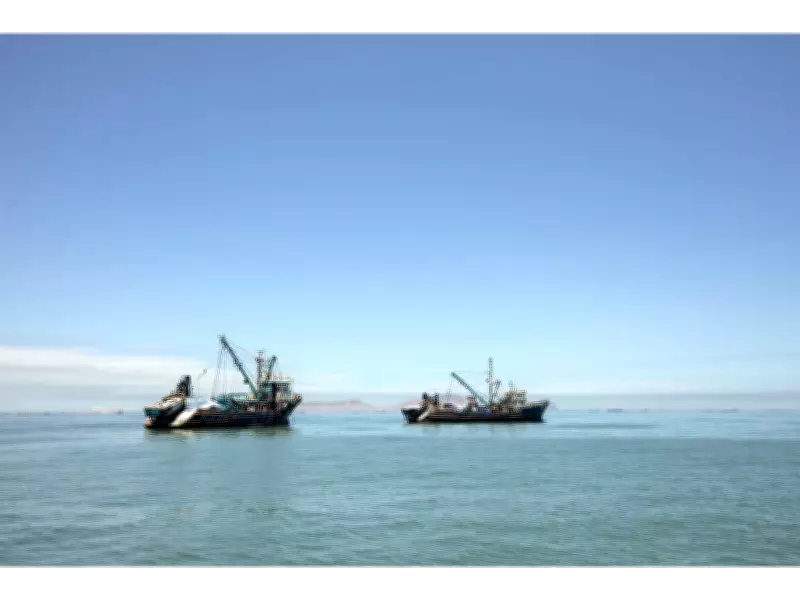
The report highlights Global Fishing Watch's most significant achievement: the complete mapping of the entire global industrial fishing fleet. This comprehensive mapping represents a quantum leap in ocean transparency, providing unprecedented visibility into fishing activities across the world's oceans. The organization has effectively tripled its detection capacity by integrating Sentinel-2 optical satellite imagery into its monitoring platform, allowing users to identify boats and offshore infrastructure that radar-based systems previously missed.
Expanded Monitoring Capabilities
Global Fishing Watch now monitors an astonishing 291 million square kilometers of ocean through satellite imagery, generating 45 million vessel detections and 2.5 million offshore infrastructure detections in the past year alone. This technological advancement is particularly crucial for coastal and nearshore waters, where fishing activity concentrates most heavily but vessel tracking coverage has historically been limited. The integration of Sentinel-2 imagery has revolutionized monitoring in these critical areas, providing governments and conservation organizations with tools previously unavailable.

Global Partnerships Strengthen Fisheries Oversight
Throughout Latin America and across the global stage, Global Fishing Watch has deepened partnerships with national governments to strengthen oversight of fishing activities. The organization has expanded support for monitoring, control, and surveillance efforts across more than 70 million square kilometers of ocean, helping facilitate over 400 actions against vessels involved in illicit activities. These partnerships represent a growing international consensus that transparency and technology are essential for sustainable ocean management.
Policy Milestones and Advocacy Gains
The annual report documents significant policy breakthroughs at the United Nations and other international forums, moving the organization closer to its goal of embedding transparency as a global norm in ocean governance. Global Fishing Watch has also mapped the carbon footprint of industrial vessels, adding another dimension to its comprehensive ocean monitoring capabilities. These policy advancements complement the technological progress, creating a holistic approach to ocean conservation.
Growing Global Reach and Impact
Global Fishing Watch's influence continues to expand dramatically, with the organization reporting a 20 percent increase in new registered map users and a striking 8.4 million page views representing a 31 percent uptick compared to 2024. This growing engagement demonstrates increasing global interest in ocean transparency and sustainable fisheries management.
"Global Fishing Watch's mission is rooted in the belief that transparency and technology are the most powerful tools we have to protect our ocean," said Tony Long, chief executive officer of Global Fishing Watch. "As we move closer to 2030, that belief is no longer abstract — it's grounded in real, measurable impact. By providing free, open access to our data and analysis, we empower a global network of governments, civil society, academia, the media and the public to monitor activity at sea and drive accountability across our ocean."
Looking Toward 2030 Goals
The 2025 Annual Report positions Global Fishing Watch as a leader in the global movement toward ocean transparency. With its expanded technological capabilities, strengthened international partnerships, and growing user base, the organization is making substantial progress toward its 2030 goal of comprehensive ocean monitoring. The complete mapping of the industrial fishing fleet represents just one milestone in what promises to be a transformative decade for ocean governance and marine conservation worldwide.