Parks Canada Issues Water Safety Notice for Lock 42 at Lake Couchiching
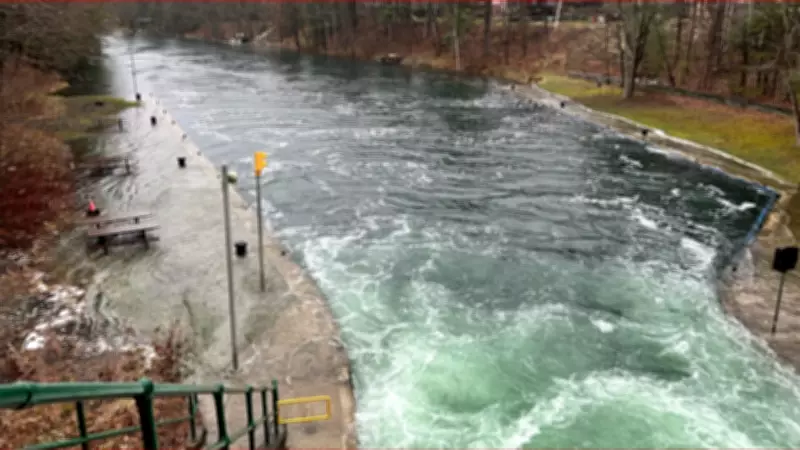
Parks Canada has officially issued a water safety notice for Lock 42, located on the Trent-Severn Waterway near Washago, Ontario. This advisory, announced on March 27, 2026, urges the public to exercise heightened caution in the Lake Couchiching area due to identified potential hazards that could pose risks to boaters, swimmers, and other waterway users.
Details of the Safety Advisory
The notice specifically targets Lock 42, a key component of the historic Trent-Severn Waterway, which connects Lake Ontario to Georgian Bay. Parks Canada officials have highlighted concerns such as fluctuating water levels, strong currents, or structural issues that may compromise safety. While exact details of the hazards were not fully disclosed, the agency emphasized that the notice is a precautionary measure to prevent accidents and ensure public well-being.
This action underscores Parks Canada's commitment to proactive risk management in recreational waterways. Visitors are advised to stay informed through official channels, avoid restricted areas, and follow all posted safety guidelines. The notice may impact local tourism and recreational activities, particularly as the spring and summer seasons approach, when waterway usage typically increases.

Context and Implications
Lake Couchiching, part of the larger Trent-Severn system, is a popular destination for fishing, boating, and outdoor enthusiasts in Ontario. The safety notice for Lock 42 comes amid broader efforts by Parks Canada to monitor and maintain infrastructure across national historic sites and waterways. Similar advisories have been issued in the past for other locks and dams, reflecting ongoing challenges in aging water management systems.
Residents and tourists are encouraged to check for updates from Parks Canada before planning visits to the area. The agency has not specified a timeline for when the notice might be lifted, but it is expected to remain in effect until thorough assessments and any necessary repairs are completed. This incident highlights the importance of regular inspections and public awareness in preserving safe access to Canada's natural and historic resources.