Saskatoon's Urban National Park Proposal Sparks Conservation Debate
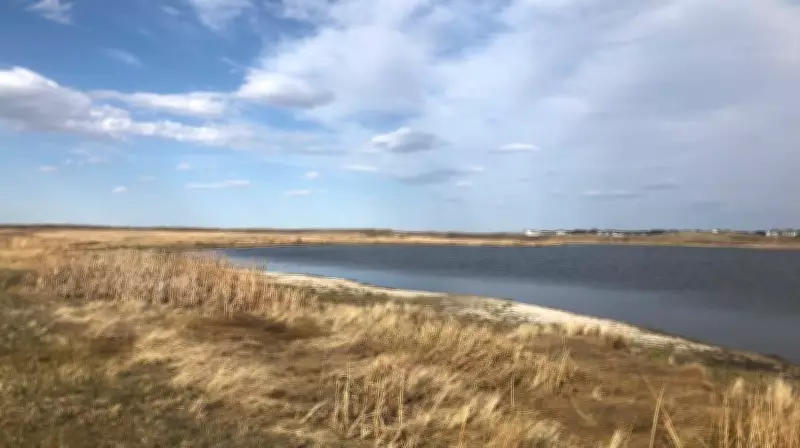
A contentious plan to establish an urban national park within Saskatoon's northeast swale has ignited a fierce debate between development proponents and local conservation advocates. The initiative, which aims to transform a significant portion of the ecologically sensitive area into a publicly accessible national park, is meeting substantial pushback from dedicated swale watchers and environmental groups who argue the project threatens vital natural habitats.
Conservationists Voice Strong Opposition
The northeast swale, a unique and fragile ecosystem within Saskatoon's urban landscape, serves as a critical habitat for numerous native plant and animal species. Swale watchers, a coalition of local conservationists and community volunteers, have raised alarms about potential ecological damage from increased human activity, infrastructure development, and habitat fragmentation. They emphasize that the swale's delicate balance could be irreparably harmed by the park's construction and subsequent visitor traffic.
These advocates contend that preservation should take precedence over recreation, pointing to the area's role in maintaining biodiversity, managing stormwater, and providing essential green space within the city. Their opposition is rooted in decades of careful observation and stewardship of the swale's natural processes, which they fear would be disrupted by large-scale park development.

The Development Perspective
Proponents of the urban national park argue that it would provide valuable recreational opportunities for Saskatoon residents while simultaneously protecting the swale from more intensive forms of urban development. They suggest that designated park status could offer stronger legal protections for the area than its current designation, potentially safeguarding it from future industrial or residential encroachment.
The proposal includes plans for carefully managed trails, educational facilities, and conservation zones designed to minimize environmental impact while maximizing public access. Supporters believe that a national park could elevate the swale's profile, attracting conservation funding and increasing community engagement with local ecosystems.
Broader Implications and Next Steps
This conflict reflects a growing tension in urban planning between conservation priorities and recreational development. As cities like Saskatoon seek to expand green infrastructure and public amenities, they must navigate complex ecological considerations and community concerns. The northeast swale debate highlights the challenges of balancing accessibility with preservation in sensitive urban natural areas.
Key issues under discussion include:
- The appropriate scale and design of any park infrastructure
- Mechanisms for ongoing ecological monitoring and protection
- Community consultation processes for development decisions
- Long-term management strategies for urban natural spaces
As consultations continue, both sides are preparing for further discussions about the swale's future. The outcome could set important precedents for how Saskatoon and similar cities approach the integration of significant natural areas within urban environments.