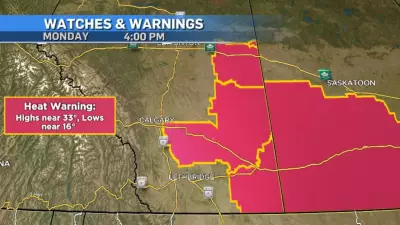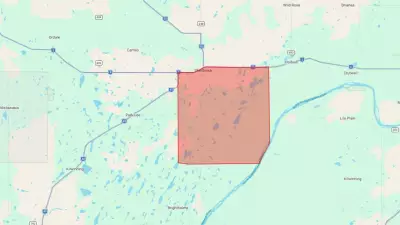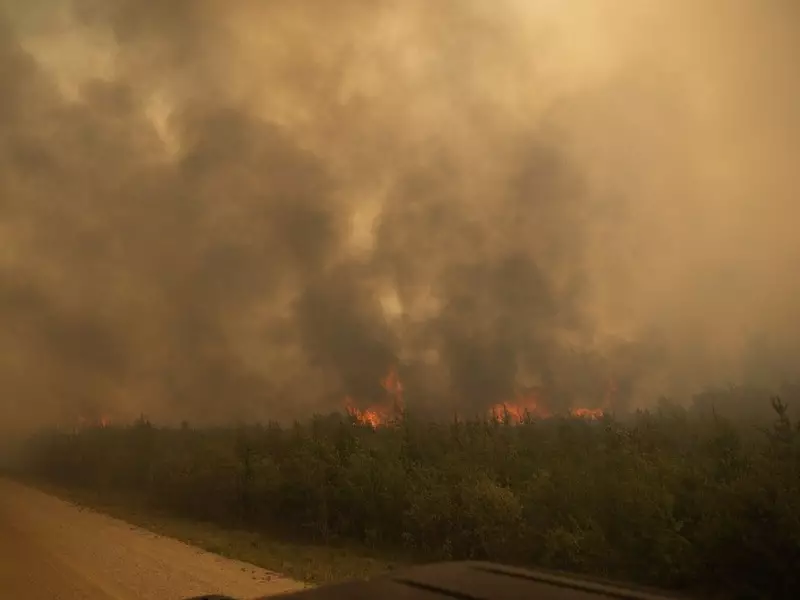
While national parks across Canada celebrated a surge in visitors during the summer of 2025, Saskatchewan stood as a stark exception. New data from Parks Canada reveals the province's two national parks experienced a significant 25 per cent drop in visitors, a downturn directly attributed to the looming threat of wildfires that altered travel plans and local economies.
A National Trend Reversed by Fire
Nationally, Parks Canada sites reported a notable 13 per cent increase in visitors from June 20 to September 2, 2025. This spike, credited to the federal Canada Strong Pass promotion offering free admission, brought total visits to approximately 14.5 million. The initiative was designed to boost domestic tourism. However, Saskatchewan's figures told a different story. Prince Albert National Park and Grasslands National Park welcomed only 153,920 visitors in 2025, a sharp decline from the 205,265 recorded in 2024.
"Safety first always," said Chris Astle, president of the Waskesiu Chamber of Commerce, emphasizing the direct cause. "We did definitely see that messaging decrease the amount of visitors to the park." Astle, who owns businesses in the Waskesiu townsite within Prince Albert National Park, described a mid-July exodus as Parks Canada issued alerts about the nearby Weyakwin and Buhl fires. "There was a constant stream of campers leaving, even a lot of the cabin owners left," he recalled.

Local Business Impact and Economic Ripples
The economic impact on the gateway community of Waskesiu was severe. Astle reported that early-season numbers in July were fantastic, pointing to a potentially booming year before the fires changed everything. "The impact of the fires was 'huge,'" he stated, noting the dramatic shift in fortune for local shops, restaurants, and his own theatre and candy store. He expressed concern for the future, adding, "If this becomes a trend where it’s many years repeated, I think it would be very challenging to continue business."
This local slowdown in Saskatchewan contrasted with growth in nearly every other region. Parks Canada noted that national historic sites saw a 20 per cent increase in visitors, while national parks nationally saw a nine per cent rise. The Northwest Territories and Nunavut led the country with a combined 67 per cent increase over two years, jumping from 1,771 visitors in 2023 to 2,960 in 2025.
A Broader Context of Climate and Tourism
The situation in Saskatchewan highlights the growing intersection of climate events, public safety, and the tourism economy. While the Canada Strong Pass successfully inspired travel elsewhere—with Megan Hope, a Parks Canada spokesperson, stating it "inspired Canadians to stay at home and explore the country"—its effect was nullified in areas under direct environmental threat. The data underscores how extreme weather events, increasingly linked to climate change, can immediately and drastically impact local industries dependent on seasonal stability.
The story of Saskatchewan's 2025 park season is one of divergence: a nation exploring its backyard gems, while one province's premier destinations faced a quiet summer, waiting for the smoke to clear.