Parks Canada's Paddle Craft Closures Criticized as Missing the Mark on Invasive Species
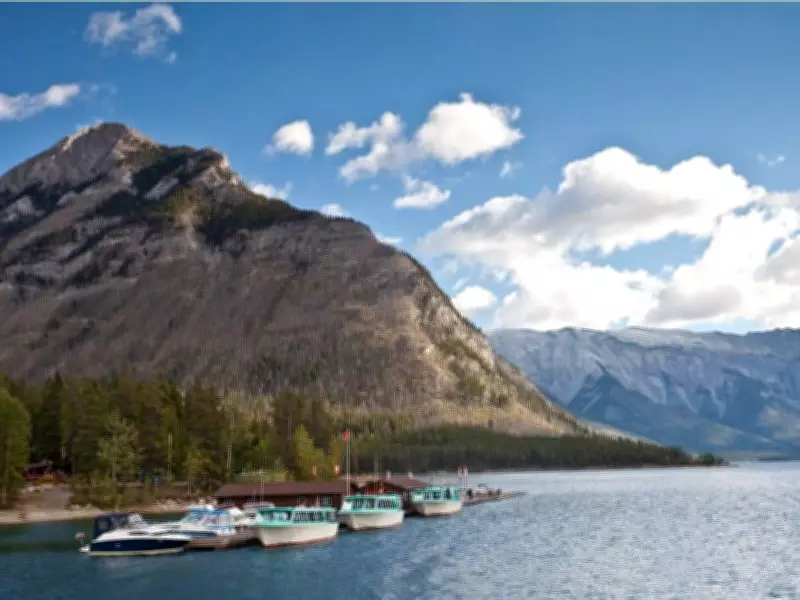
As a Bow Valley resident who spends over 100 days annually paddling the lakes and rivers of Banff National Park, I find the recent proposal to close Bow Lake and Lake Minnewanka to paddle craft deeply frustrating and scientifically questionable. This move follows a pattern of steadily removing paddling access across the park, with Moraine Lake and Emerald Lake already off-limits.
The Core Issue Remains Unaddressed
While these closures are ostensibly aimed at preventing aquatic invasive species, the fundamental problem persists largely unaddressed. For four years, Parks Canada has required a mandatory aquatic invasive species self-declaration from paddlers. I comply with this requirement meticulously each time I take to the water, but within the paddling community, it's widely acknowledged that compliance is inconsistent due to effectively nonexistent enforcement.
Despite my regular presence on these waters for years, I have never once been asked to produce proof of inspection or a permit. Closing lakes without enforcing the existing system isn't a solution—it merely displaces paddlers to other locations while leaving the actual pathways for invasive species wide open.

Motorized Boats Pose Greater Risk
Lake Minnewanka presents a particularly troubling case study. While canoes and kayaks face prohibition, motorized boats remain permitted despite water-cooled engines and fishing equipment representing significantly higher invasive species risks than hard-shell kayaks or canoes. This discrepancy raises serious questions about the scientific basis for these policies.
Even more concerning is that Lake Minnewanka serves as the only lake in Banff National Park with paddle craft access to backcountry campsites. Eliminating this access effectively removes an entire category of backcountry recreation from the park, disproportionately affecting responsible recreationists.
Proven Solutions Exist
If the genuine goal is invasive species prevention, clear and proven solutions are readily available. Mandatory wash stations already operate successfully in communities like Invermere, Cochrane, and Golden. Every vessel entering the park could be required to stop and undergo cleaning before accessing any water body.
Practical implementation options include:
- A mandatory wash station on the Lake Minnewanka Loop, combined with making the loop one-way to prevent boats from bypassing the station
- Wash stations installed at both ends of the Icefields Parkway, ensuring no watercraft enters the park without proper cleaning
These measures would directly address the risk of aquatic invasive species rather than disproportionately targeting low-risk users like paddlers.
Undermining Public Confidence
The current approach appears to penalize responsible recreationists while leaving the highest-risk vectors largely unchecked. This not only fails to solve the invasive species problem but also undermines public confidence in Parks Canada's decision-making processes.
I would appreciate a clear explanation of the scientific evidence and risk analysis supporting a policy that restricts paddle craft while continuing to allow motorized vessels on Lake Minnewanka. Banff National Park belongs to all Canadians, and responsible paddlers are not the problem.
Eliminating access without implementing meaningful prevention measures is both ineffective and unfair. I urge Parks Canada to reconsider these closures and focus instead on enforceable, evidence-based solutions that protect our waterways while preserving reasonable access for all Canadians.