New Zoning Regulations Target Invasive Species in National Mountain Parks
In a significant move to safeguard fragile aquatic ecosystems, Parks Canada is introducing new zoning rules specifically for waterbodies within national mountain parks. This proactive measure aims to combat the spread of invasive species, such as zebra mussels, which pose a severe threat to native biodiversity and water quality.
Addressing the Threat of Invasive Species
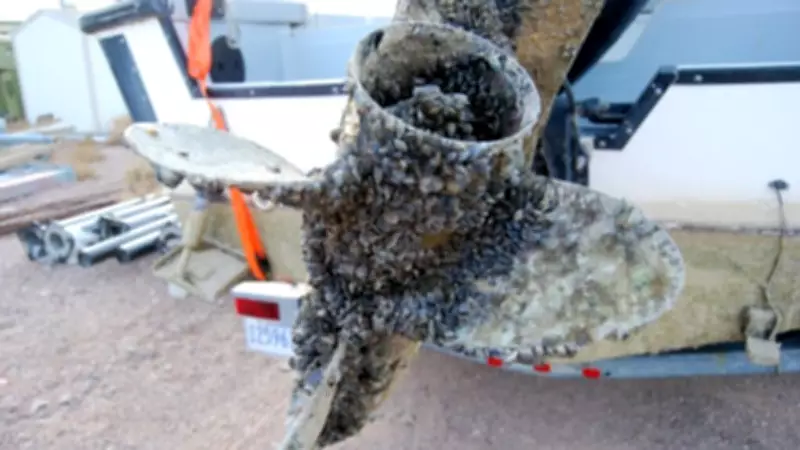
The decision comes as invasive species continue to disrupt ecological balances in sensitive mountain environments. Zebra mussels, in particular, have been identified as a major concern due to their rapid reproduction and ability to clog infrastructure, outcompete native species, and alter nutrient cycles. These mollusks can attach to boats, equipment, and other surfaces, facilitating their spread across different water systems.
The new zoning regulations will establish controlled access areas and implement stricter monitoring protocols for recreational and commercial activities in and around park waterbodies. This includes enhanced inspection stations for watercraft, restrictions on the movement of certain equipment, and public education campaigns to raise awareness about preventing the introduction of invasive species.

Ecological and Operational Impacts
By focusing on zoning, Parks Canada aims to create a more structured approach to managing human interactions with aquatic environments. The rules are expected to reduce the risk of accidental introductions, which often occur through activities like boating, fishing, and tourism. Early detection and rapid response mechanisms will be integrated into the zoning framework to address any new infestations promptly.
This initiative reflects a broader commitment to preserving the ecological integrity of Canada's national parks, ensuring that future generations can enjoy these natural treasures. The mountain parks, known for their pristine lakes and rivers, are especially vulnerable to invasive species due to their isolated ecosystems and increasing visitor numbers.
Implementation and Public Cooperation
Parks Canada will work closely with local communities, Indigenous groups, and stakeholders to implement the zoning rules effectively. Public cooperation is crucial, as compliance with regulations—such as cleaning watercraft before entering park waters—can significantly mitigate risks. The agency plans to roll out detailed guidelines and signage in the coming months, with enforcement measures to support adherence.
As climate change and human activity continue to pressure natural habitats, such regulatory steps are essential for proactive conservation. The new zoning rules represent a forward-thinking strategy to protect Canada's mountain park waterbodies from irreversible ecological damage caused by invasive species.