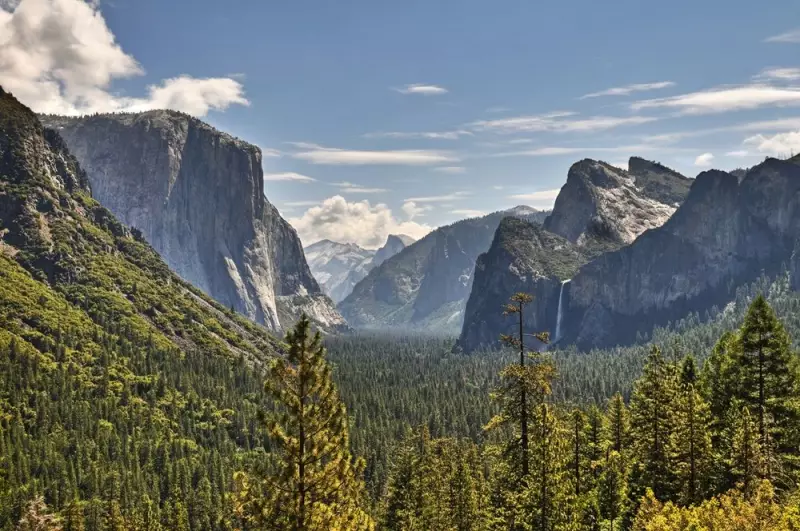
Starting in the new year, a significant change will hit the wallets of Canadian travellers planning to explore America's most iconic natural landscapes. The U.S. Department of the Interior has announced that beginning January 1, 2026, non-U.S. residents, including Canadians aged 16 and over, will be required to pay a new fee of US$100 per person to visit 11 of the country's most popular national parks.
Which Parks Are Affected and What Are the Costs?
This new charge is separate from any existing park entrance fees. The policy targets a list of premier destinations that are frequent stops on Canadian road trips and vacation itineraries. The affected parks include:
- Acadia
- Bryce Canyon
- Everglades
- Glacier
- Grand Canyon
- Grand Teton
- Rocky Mountain
- Sequoia and Kings Canyon
- Yellowstone
- Yosemite
- Zion
For frequent visitors, the department will also offer an annual pass for non-residents at a cost of $250. This pass, which becomes available on the same date, would be cost-effective for anyone planning to visit more than two of the listed parks within a year. For comparison, the annual pass for U.S. residents will remain at $80.

Officials confirmed that the traditional free-entrance days offered by the National Park Service will no longer apply to international visitors, including Canadians, under the new rules.
The Policy Behind the New Fee Structure
The U.S. Department of the Interior directly linked these changes to the policies of President Donald J. Trump. In a statement released on Monday, December 15, 2025, the department said the new fees "reflect President Donald J. Trump’s commitment to making national parks more accessible, more affordable and more efficient for the American people."
Secretary of the Interior Doug Burgum elaborated, stating, "President Trump’s leadership always puts American families first. These policies ensure that U.S. taxpayers, who already support the National Park System, continue to enjoy affordable access, while international visitors contribute their fair share to maintaining and improving our parks for future generations."
The revenue generated from the new international visitor fees is earmarked for reinvestment into the parks system. Officials stated the funds will support upgrades to visitor facilities, essential maintenance, and improved services nationwide.
Potential Impact on Canadian Travel South
This new financial hurdle could further dampen cross-border travel from Canada, which has already seen a notable decline. Statistics Canada reported that in September 2025, the number of Canadian-resident return trips from the U.S. was down nearly 31% from the previous year. Analysts attribute part of this drop to the political climate and Trump's rhetoric, including his controversial "51st state" comments directed at Canada.
The added park fee may serve as another deterrent for families and outdoor enthusiasts budgeting for a U.S. vacation. In contrast, the Canadian government has recently promoted domestic tourism through initiatives like the renewed Canada Strong Pass, which offers free parks access and other discounts between December 12, 2025, and January 15, 2026.
Travellers are encouraged to visit the official U.S. National Park Service website at nps.gov/planyourvisit/passes.htm or recreation.gov for detailed information on digital passes, updated pricing, and how to prepare for the 2026 changes.