The push to establish a new national urban park in Montreal has received a significant boost, with local officials expressing renewed optimism following encouraging communication from the federal government.
Federal Letter Sparks Hope for Protected Green Space
Alan DeSousa, the re-elected mayor of Montreal's St-Laurent borough, has revealed that a recent letter from federal Environment Minister Steven Guilbeault has given him hope that lands north of Montreal-Trudeau International Airport could become the site of a new national urban park. The correspondence, dated November 3, 2025, responds to DeSousa's spring letter advocating for protected status for the area.
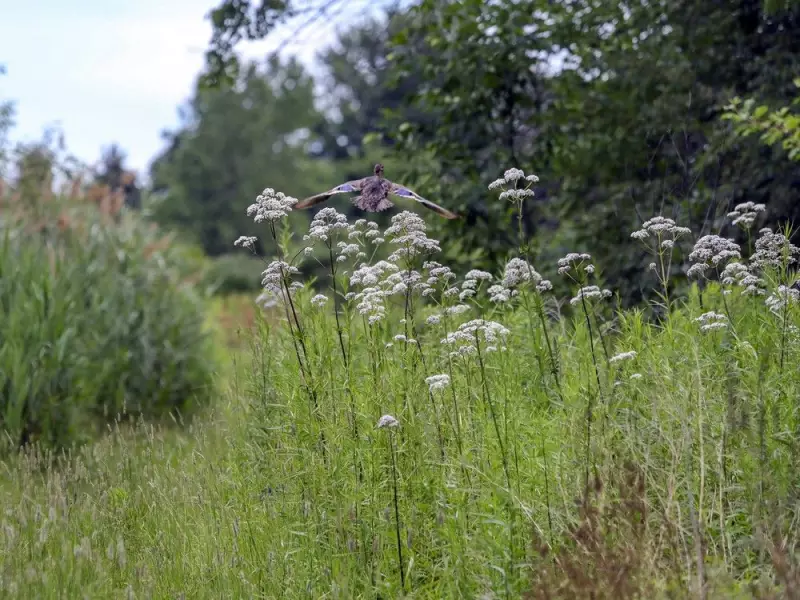
For years, DeSousa has been among the prominent voices calling for conservation measures for the 220-hectare green space that straddles St-Laurent and Dorval. This territory includes approximately 170 hectares of Crown land currently leased to Aéroports de Montréal (ADM). Conservationists identify this as the last significant undeveloped area on the island of Montreal, providing crucial habitat for more than 200 bird species and several endangered or threatened species, including the monarch butterfly.

Regional Consensus Builds for Conservation
Minister Guilbeault's letter references the government's commitment in the May 2025 Speech from the Throne to establish national urban parks across all provinces and territories. While emphasizing that the designation process is highly collaborative and partner-focused, the minister acknowledged the strong local interest in creating a park in the borough.
The letter also highlighted a crucial procedural requirement: any federal-municipal collaboration or financing in Quebec requires provincial approval. Guilbeault noted that discussions between Parks Canada and the Quebec government are necessary to determine if such collaboration is possible and would meet expectations.
DeSousa interprets the carefully worded response as a positive signal. The federal government appears receptive to the idea of establishing a national urban park on these lands, he suggested in an interview this week, noting that outright rejection would have been clearly stated otherwise.
Broad Support and Recent Challenges
The mayor's efforts are part of a much broader coalition advocating for the protection of the Technoparc lands and adjacent Crown areas, collectively known as the Parc des Sources. This movement gained significant institutional backing when the Montreal Metropolitan Community (CMM), representing 82 municipalities and 4.3 million residents, joined the cause.
In early October, CMM executive director Massimo Iezzoni and then-chair of Montreal's executive committee Emilie Thuillier sent a letter to Federal Transport Minister Steven MacKinnon requesting an urgent meeting. Their correspondence emphasized that few subjects enjoy such unanimous support within the CMM as protecting the natural areas around the airport.
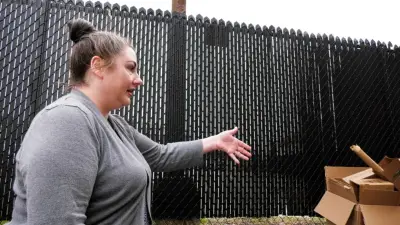
The letter also referenced recent environmental damage, noting that a contractor hired by ADM had caused significant harm to natural spaces near the Des Sources forest and wetlands. This incident underscored the urgency of establishing protective measures for the ecologically sensitive area.
Provincial Collaboration Required
DeSousa has also reached out to Quebec Environment Minister Bernard Drainville, requesting a meeting to present the national urban park concept and explore potential collaboration. In his September 30 letter, he stressed that provincial support would be crucial for advancing what he described as a promising initiative for both the environment and regional quality of life.
Katherine Collin, president of conservation group TechnoparcOiseaux, welcomed the growing political momentum. This demonstrates the strength of consensus behind this request, she stated, noting that the push extends far beyond environmental organizations to include representatives of large segments of Quebec's population.

Collin emphasized that protecting the site serves multiple purposes beyond biodiversity conservation. Access to green space comprises one of the essential components of human health, she explained, highlighting the area's additional functions in air purification, flood mitigation, and water purification.
As the process moves forward, all eyes will be on the required discussions between federal and provincial authorities to determine if Montreal will join Canada's growing network of national urban parks, preserving a vital natural oasis for future generations.