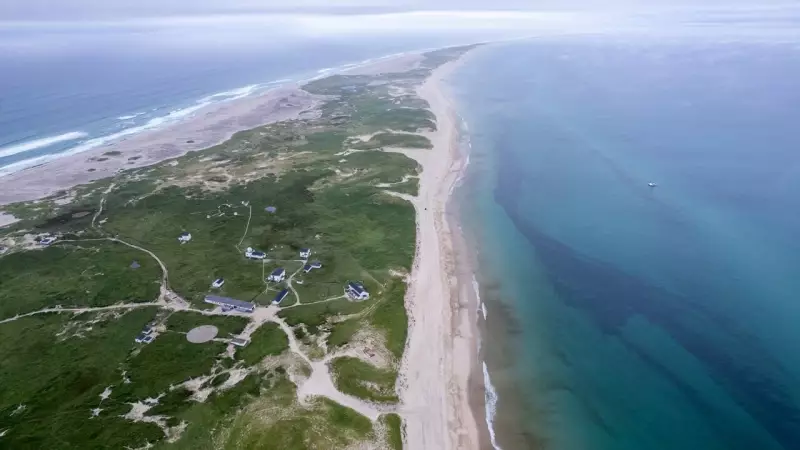
The Government of Canada is investing $5.1 million to significantly improve energy efficiency at facilities within the remote and ecologically sensitive Sable Island National Park Reserve. The funding, announced in December 2025, targets the Main Station and other federal buildings on the iconic Nova Scotian sandbar.
Targeting a Remote National Treasure
Located nearly 300 kilometres offshore from Halifax, Sable Island is a place of stark beauty and fragile ecosystems, famous for its wild horses and shipwreck history. Maintaining operations for Parks Canada staff and researchers there comes with unique challenges, including a heavy reliance on diesel-generated power.
The new federal investment is specifically aimed at retrofitting and upgrading buildings to reduce their energy consumption and environmental impact. This initiative is part of broader federal goals to green government operations and infrastructure.

Details of the Green Investment
The $5.1 million in funding will support a range of upgrades to the island's infrastructure. While the exact technical specifications were not detailed in the initial announcement, such projects typically involve improvements to building insulation, installation of high-efficiency heating and cooling systems, and potentially the integration of renewable energy sources like solar panels to supplement traditional power.
These measures are expected to lower greenhouse gas emissions associated with running the station, decrease the logistical demand for fuel deliveries, and modernize the facilities for the staff who live and work on the island for extended periods.
A Step Towards Sustainable Stewardship
This project underscores the government's commitment to practicing environmental stewardship in the very places it is tasked with protecting. Reducing the carbon footprint of park operations aligns with both Parks Canada's conservation mandate and national climate objectives.
The upgrade work on Sable Island represents a practical application of green building principles in one of Canada's most isolated and celebrated national parks. It serves as a model for how remote federal assets can be managed more sustainably, preserving the natural integrity of the environment they inhabit.