The food industry has long been preoccupied with inflation, but a new concern is emerging: appetite. A new generation of appetite-suppressing drugs, known as GLP-1 agonists, which include blockbuster brands like Ozempic, has become massively popular in recent years. This shift is now poised to fundamentally reshape Canada's agri-food economy.
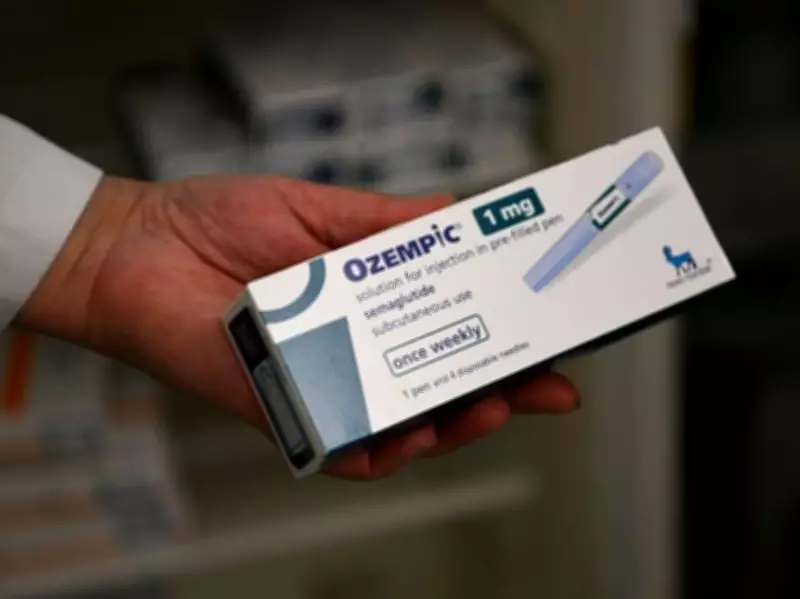
Last week, Apotex Inc., Canada's largest drug manufacturer, received approval from Health Canada to market a generic version of Ozempic. This development marks a pivotal moment, as it is expected to lower prices and accelerate adoption of these drugs.
From Diabetes Treatment to Mainstream Weight Loss
What began as a treatment for diabetes has quickly evolved into something far more consequential: a structural force reshaping consumer behaviour and, by extension, Canada's agri-food economy. GLP-1 drugs, including Ozempic and Wegovy, are no longer niche medical interventions but are becoming mainstream.

Based on estimates from the Agri-Food Analytics Lab at Dalhousie University, by the end of this year, more than two million Canadians could be using these drugs primarily for weight loss. More recent data suggest adoption is already approaching 8% of the adult population, roughly three million people, up from about 4 to 5% in late 2025. In just over a year, usage has effectively doubled.
A Demand Shock for the Food Industry
This is not merely a healthcare story; it is a demand shock. Emerging consumer data show that individuals on GLP-1 therapies reduce their caloric intake significantly, often by 20% or more, and cut grocery spending by roughly 5% within months of starting treatment. At the individual level, that may seem modest, but at scale, it is anything but.
Our estimates suggest that GLP-1 adoption is already removing between $2.3 billion and $3.4 billion annually from Canada's agri-food economy, including both retail and foodservice. For an industry built on volume and operating on thin margins, this is material.
There is also a notable transfer of value underway. Novo Nordisk, the manufacturer of Ozempic, generated approximately $2.9 billion in revenues from the drug in 2025 alone. In effect, a portion of consumer spending once allocated to food is now being redirected toward pharmaceuticals.
Hardest-Hit Categories
The impact is far from uniform. It is concentrated in categories that have long driven growth and profitability across the food sector. Snack foods, confectionery, sweet bakery items, and soft drinks are among the hardest hit. These are impulse-driven, high-margin categories and precisely the types of products GLP-1 users tend to abandon.
Alcohol is also under pressure, both in retail and foodservice settings. Even traditionally resilient categories such as fresh meat and deli are seeing softer demand, not because consumers are avoiding protein, but because they are simply eating less overall.
Shift from Volume to Value
At the same time, a subtle but important shift is emerging. Consumers on GLP-1s are not necessarily trading down. They are buying less, but often choosing better. Nutrient density, portion control, and intentional purchasing are gaining importance. In economic terms, the food sector is quietly shifting from a volume-driven model to a value-driven one.
For the restaurant industry, the implications are equally significant. Fewer appetizers, fewer desserts, fewer add-ons, and lower average tickets. With Canada's foodservice sector exceeding $100 billion in annual sales, even modest behavioural changes translate into hundreds of millions of dollars in lost revenue.
Economic Impact Could Double
With the introduction of generic semaglutide, prices are expected to fall, further accelerating adoption. If penetration reaches 10% of the adult population, as many analysts now consider plausible, the economic impact could double. Entire product categories may face a permanent reset.
Yet, despite the magnitude of this shift, there is remarkably little discussion at the policy level. We devote considerable attention to food inflation, carbon pricing, and supply chain disruptions. These are all important issues, but we are overlooking a structural change in demand that could redefine the economics of the entire agri-food sector.

For producers, processors, and retailers, this is not a temporary disruption; it is a long-term adjustment. The agri-food sector has always adapted to change, but this time, the change is coming from the consumer's biology, not just preferences, prices, or policy. And that may be the most disruptive force of all.
If Canada is serious about building a resilient and competitive food system, we need to start paying closer attention, not just to what food costs, but to how much of it people will actually want to consume in the future. Increasingly, the answer is simple: less.
Sylvain Charlebois is director of the Agri-Food Analytics Lab at Dalhousie University, co-host of The Food Professor Podcast, and visiting scholar at McGill University.