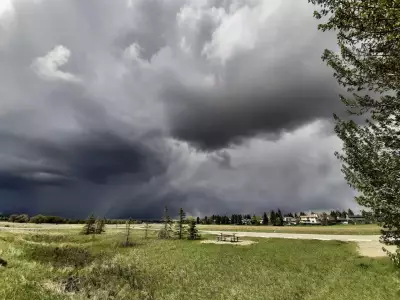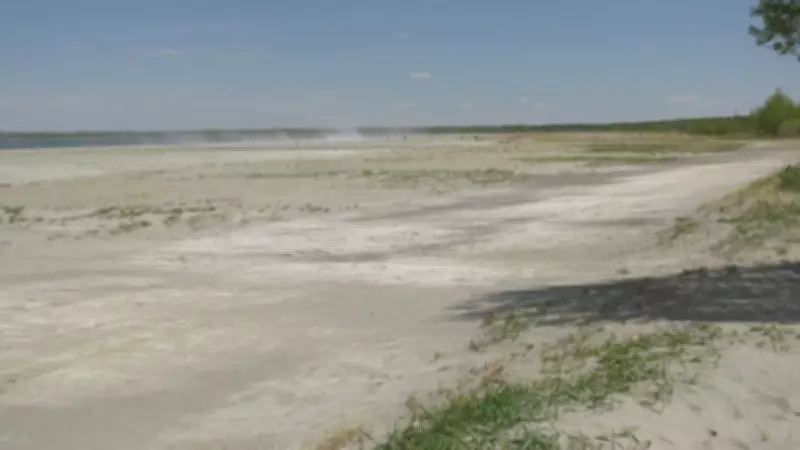
Gull Lake, a popular recreational destination in Alberta, is losing approximately 20 centimetres of water each year, alarming local advocates and environmentalists. The shrinking lake, located near Aspen Beach Provincial Park, has been attributed to prolonged drought conditions and the effects of climate change. Residents and stakeholders are now calling for immediate measures to address the declining water levels.
Impact on Local Communities
The receding shoreline has affected tourism, property values, and wildlife habitats. Boat launches and docks have become unusable in some areas, while fish populations face increased stress. Local businesses, including marinas and campgrounds, report reduced visitors due to the changing landscape.
Advocates Push for Solutions
Community groups and environmental organizations are urging the provincial government to implement water conservation strategies. Proposals include stricter water usage regulations, investment in water-efficient irrigation, and exploring cloud seeding or other technologies to increase precipitation. Some advocates also call for a comprehensive study of the lake's hydrology to better understand the long-term trends.

"We can't afford to wait any longer," said a spokesperson for the Gull Lake Stewardship Society. "This is a crisis that requires immediate action to preserve the lake for future generations."
Government Response
Alberta Environment and Parks officials acknowledge the issue but emphasize the need for regional cooperation. They are working with local municipalities to monitor water levels and assess the effectiveness of existing policies. However, no specific new measures have been announced yet.
The situation at Gull Lake mirrors broader challenges across the province, where many water bodies are experiencing similar declines due to climate variability and increased demand.