In the heart of the Rocky Mountains lies Crowsnest Pass, the lowest mountain pass between New Mexico and Jasper National Park, hosting what may be Alberta's most ecologically significant and tree-species-rich forest. This unique ecosystem contains plant life as rare in the province as sage grouse and woodland caribou, creating a natural treasure that now faces critical management questions.
A Forest of Rarities and Ancient Giants
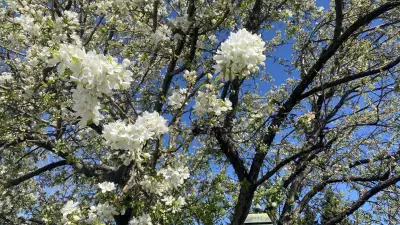
The Crowsnest Pass forest serves as home to Canada's easternmost western red cedars, along with numerous other exceptionally rare tree species in Alberta. The impressive list includes ponderosa pines, western white pines, and western larches among a baker's dozen of uncommon varieties.
This extraordinary forest exists within a larger landscape dominated by lodgepole pine and white spruce - what the author describes as a "matchstick forest" situated at high elevation with low moisture levels. The area experiences dry, wind-whipped conditions that create extreme vulnerability to wildfire, making tree survival a constant struggle rather than a thriving existence.

Hidden Diversity and Ancient Survivors
Beneath the surface appearance lies far greater diversity than initially meets the eye. The forest contains massive, centuries-old Douglas firs marked by fire scars, alongside even older specimens of wind-shaped limber pines and whitebark pines. These ancient trees have survived droughts and weathered hurricane-force winds, with some likely exceeding 1,000 years of age.
David McIntyre, who served on a Government of Alberta advisory committee creating a vision for the forest's future management, raises fundamental questions about the economic justification for timber production in this sensitive ecosystem. "Is it economically viable to manage this forest for timber production?" he challenges both society and forest managers.
The True Cost of Forest Management
When McIntyre questioned the forest's actual worth in timber production dollars, the Crowsnest Pass economic development office provided data that initially appeared convincing. However, upon closer examination, McIntyre revealed that most reported jobs and apparent financial benefits represented costs rather than genuine economic assets.
These were actually expenses being borne by Alberta taxpayers to cover forest management operations, equipment, and support staff. The revelation raises serious questions about the true economic rationale behind current management practices.
McIntyre expresses deeper concerns about the provincial government's approach, noting that while Alberta has authority and responsibility for forest management, it "appears to lack the knowledge or ability to use scientific insight to achieve forest and watershed health."
The situation reached a critical point when McIntyre witnessed clear-cutting occurring in headwaters areas containing Canada's easternmost western red cedars. When forestry staff reviewed his complaint and examined a western red cedar he showed them, their response was dismissive: "That tree doesn't have any commercial worth."
This encounter highlights the fundamental conflict between commercial forestry values and ecological preservation in one of Alberta's most unique and vulnerable forest ecosystems.