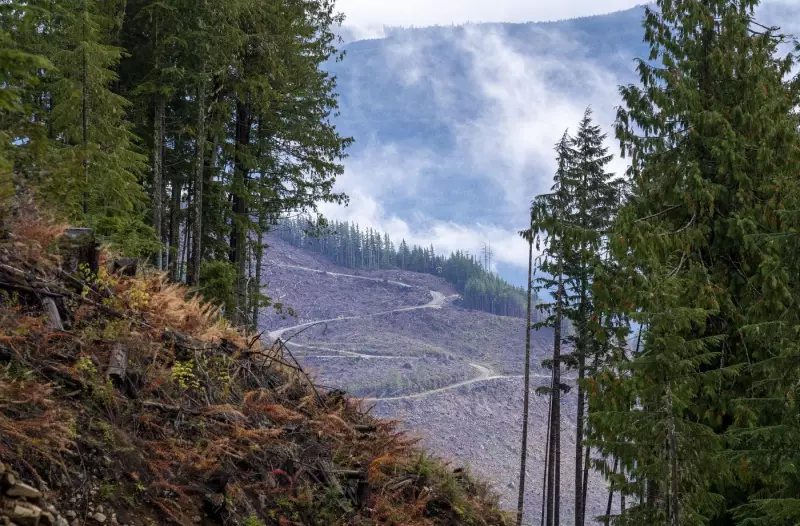
A significant policy shift by British Columbia's primary logging agency has opened the door for harvesting in areas of remnant old-growth forest previously set aside for conservation. A government briefing note, disclosed in December 2025, confirms the approval of a plan to log these ecologically sensitive zones in the province's northwest.
Policy Reversal Opens Protected Areas
The change marks a reversal of a previous policy that specifically conserved these remnant old-growth stands. Remnant forests are typically smaller, isolated patches of ancient trees that have survived past logging cycles and are critical for biodiversity. The briefing note, dated December 07, 2025, provides the official documentation showing the plan to open these areas for timber harvesting received the green light.
While the exact locations and size of the cut blocks approved under this new directive were not detailed in the initial release, the move has immediately raised concerns among environmental groups and scientists. These forests are often key habitats for endangered species and play a crucial role in carbon storage and watershed protection.

Context and Conservation Debate
This decision occurs within the ongoing and heated debate over old-growth logging in British Columbia. Protests and blockades, such as those seen at Fairy Creek near Port Renfrew in 2021, have highlighted deep public divisions. The government has previously made commitments to overhaul its forestry management to protect ecosystems at risk.
The approval to harvest in the northwest suggests a potential conflict between conservation promises and the economic pressures of the forestry sector. The briefing note is a tangible record of this specific administrative decision, moving areas from a conserved status to an active harvest timeline.
Implications and Next Steps
The revelation is expected to spark renewed scrutiny of the province's old-growth strategy. Stakeholders will be watching closely for:
- Official maps and details of the approved cut blocks.
- Responses from the Ministry of Forests and environmental organizations.
- Potential legal or community challenges to the harvesting plans.
This policy change underscores the complex balancing act between resource extraction and environmental stewardship in B.C. The decision to harvest these remnant patches could set a precedent for how similar forests are managed across the province in the future.