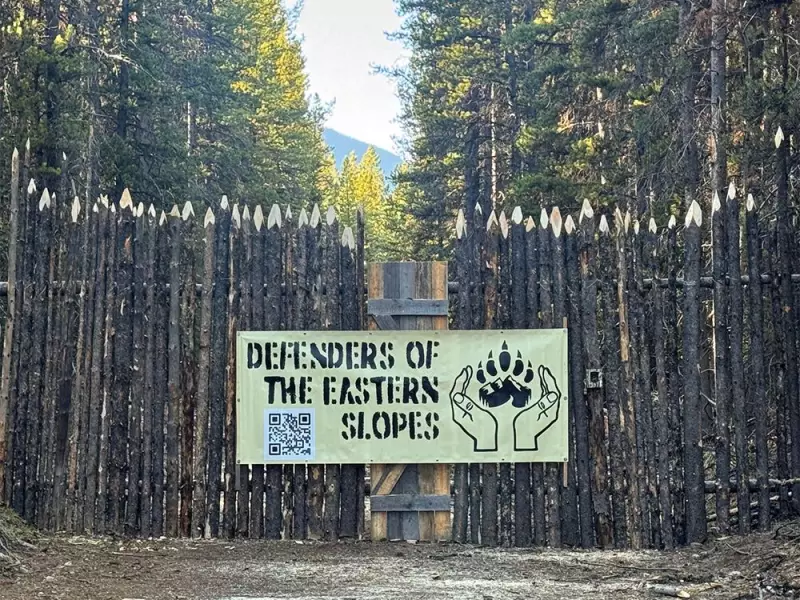
A coalition of environmental activists has brought logging operations to a standstill in southern Kananaskis Country, establishing a blockade that prevents access to a contentious harvest area.
The protest, organized by the group YYC Forest Defence, began early Tuesday morning as activists positioned themselves along a critical access road used by Spray Lake Sawmills. The company had planned to begin logging in an area that activists describe as an essential wildlife corridor and vital watershed protection zone.
Ground Zero: The Livingstone Watershed
At the heart of the conflict lies the Livingstone watershed, which feeds into the critically important Oldman River. Protesters argue that this area serves multiple crucial functions:

- Provides drinking water for numerous southern Alberta communities
- Supports diverse wildlife populations including grizzly bears and native trout
- Contains sensitive alpine ecosystems already stressed by climate change
"We're here because the science is clear—this area cannot withstand industrial logging," explained one protester who identified only as Cedar. "When you clear-cut these slopes, you're not just removing trees; you're destroying the natural infrastructure that sustains life throughout southern Alberta."
The Corporate Perspective
Spray Lake Sawmills, the company behind the planned operations, maintains that their activities are sustainable and legally permitted. In a statement, the company emphasized their commitment to responsible forest management and noted that all harvesting occurs under government-approved forest management plans.
"We operate within a comprehensive regulatory framework that includes extensive environmental assessments and reforestation requirements," the company stated.
A History of Conflict
This isn't the first time activists have targeted Spray Lake Sawmills' operations in this region. The area has been a flashpoint for environmental concerns for years, with previous blockades occurring in 2022. However, protesters claim that despite previous actions and ongoing dialogue, critical habitats continue to be threatened.
The current blockade represents an escalation in tactics, with activists vowing to maintain their position indefinitely. "We've tried letters, we've tried meetings, we've tried petitions," said one organizer. "When all conventional methods fail, sometimes you have to put your body on the line."
Broader Implications for Alberta Forestry
This confrontation highlights the ongoing tension between resource extraction and environmental protection in Alberta. As climate change intensifies and biodiversity declines, conflicts over remaining intact ecosystems are likely to increase.
The blockade comes at a time when the provincial government is reviewing its land-use policies for the region. Conservation groups hope that sustained public pressure might lead to increased protection for ecologically sensitive areas.
As the standoff continues, both sides remain entrenched in their positions, representing the broader challenge of balancing economic interests with environmental sustainability in Alberta's working landscapes.