Deadly Winter Storm Ravages Eastern U.S., Power Outages Persist Amid Arctic Blast
A relentless and bitter cold snap, accompanied by a powerful winter storm, continues to hold the eastern United States in its icy grip. Authorities report that fatalities linked to the severe weather are rising, while widespread power outages linger, leaving many residents without heat and electricity during the frigid conditions.
The storm system, which has been battering the region for days, has brought heavy snowfall, freezing rain, and dangerously low temperatures. Emergency services are stretched thin as they respond to downed trees, damaged infrastructure, and hazardous road conditions. The combination of intense cold and persistent precipitation has created a perilous situation for communities from the Midwest to the Northeast.
Rising Human Toll and Infrastructure Strain
Officials have confirmed at least thirteen weather-related deaths as the storm's impacts intensify. The fatalities are attributed to a variety of causes, including traffic accidents on icy roads, hypothermia, and incidents related to carbon monoxide poisoning from improper use of heating sources. The human cost underscores the storm's severity and the challenges faced by residents and first responders alike.

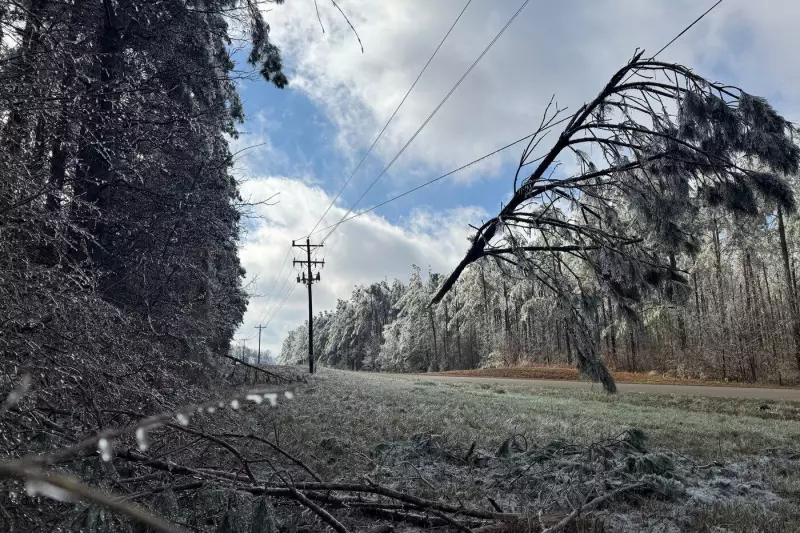
Utility companies are working around the clock to restore power to hundreds of thousands of customers. Fallen tree limbs and ice accumulation have caused significant damage to power lines and electrical infrastructure. In some areas, such as near Lexington, Mississippi, scenes of tree limbs dangling precariously from power lines illustrate the widespread nature of the damage. Restoration efforts are complicated by ongoing恶劣 weather and difficult travel conditions for repair crews.
Extended Outages and Community Impact
For many, the power outages have extended beyond 72 hours, plunging homes into darkness and cold. This has forced the closure of schools and businesses, disrupted medical services, and led to the cancellation of elective surgeries in some hospitals due to heating failures. Communities are urging residents to check on vulnerable neighbors, such as the elderly, and to utilize warming centers that have been established by local governments.
The lingering outages also raise concerns about food spoilage and access to clean water. Officials are advising the public to prepare for the possibility of extended disruptions and to follow safety guidelines when using alternative heating methods to prevent fires and carbon monoxide poisoning.
Broader Weather Patterns and Regional Context
This storm is part of a larger pattern of extreme winter weather affecting North America. While the Northeast grapples with the tail end of this colossal system, other regions face their own challenges. The Maritimes are monitoring the potential development of another Nor'easter this weekend. Meanwhile, a record heat wave is scorching Australia, highlighting the stark contrasts in global weather phenomena.
Meteorologists warn that the bitter cold is expected to persist in the eastern U.S. for several more days, with only gradual moderation in temperatures. Residents are advised to limit travel, dress in layers if venturing outside, and to heed all warnings from local authorities. The storm serves as a stark reminder of winter's formidable power and the importance of community resilience and preparedness in the face of such severe weather events.