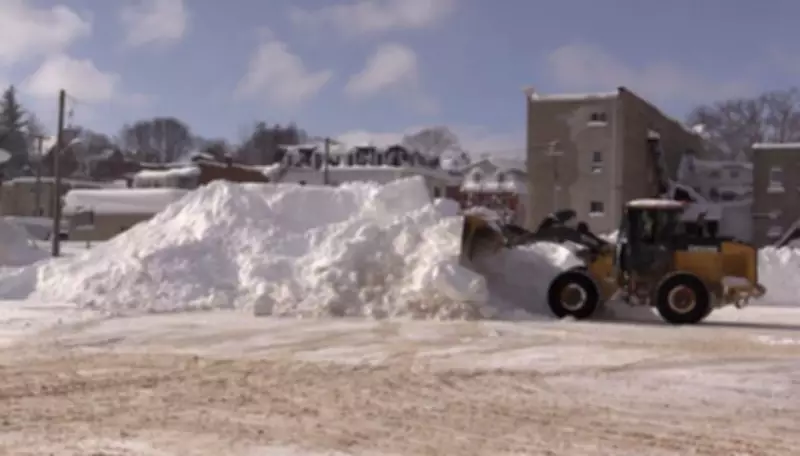
Wiarton, Ontario Surpasses 343 cm of Snowfall This Winter, Marking a Significant Seasonal Total
The picturesque town of Wiarton, located in Ontario, has experienced a notably harsh winter season, with snowfall measurements reaching an impressive 343 centimeters as of early 2026. This substantial accumulation highlights the extreme weather patterns affecting the region, drawing attention from meteorologists and local residents alike. Data collected on January 29, 2026, provides a snapshot of the snow depth, underscoring the challenges and beauty of winter in this part of Canada.
Detailed Snowfall Analysis and Regional Implications
According to recent reports, the snow accumulation in Wiarton has been steadily increasing throughout the winter months, with the 343 cm mark representing a significant milestone. This level of snowfall is not uncommon for Ontario, but it serves as a reminder of the seasonal extremes that can impact daily life, from transportation disruptions to outdoor activities. The measurement taken in late January offers a clear indicator of the winter's intensity, potentially influencing future climate studies and preparedness efforts.
Local authorities and weather experts are closely monitoring the situation, as such snow totals can affect infrastructure, agriculture, and community safety. The data from Wiarton contributes to a broader understanding of winter weather trends in Canada, particularly in regions prone to heavy snowfall. Residents have adapted to the conditions, but the accumulation underscores the importance of robust winter maintenance and emergency planning.

Broader Context of Winter Weather Across Canada
This snowfall in Wiarton is part of a larger pattern of winter weather events across the country, with other regions also experiencing extreme conditions. For instance, a Sunday Nor'easter update for the Maritimes and extreme cold weather alerts nationwide highlight the variability and severity of Canadian winters. Such events emphasize the need for ongoing research into climate change and its effects on seasonal precipitation.
In related news, environmental factors like these snow totals tie into discussions on climate risks, such as those mentioned in articles about assessing climate risks when house shopping. The interplay between weather extremes and broader environmental policies remains a critical topic for Canadians, as seen in coverage of renewable energy and sustainable practices.
As winter continues, communities like Wiarton demonstrate resilience in the face of natural challenges, with snowfall data serving as a key metric for understanding and responding to seasonal changes. This accumulation not only shapes local experiences but also informs national conversations on weather preparedness and environmental stewardship.