A surprising influx of warm Pacific air is delivering mild, mid-January temperatures across Southern Saskatchewan, enticing residents outdoors. However, this brief respite from the deep freeze comes with a significant catch: persistently icy and hazardous conditions on roads and sidewalks.
Deceptive Warmth and Lingering Ice
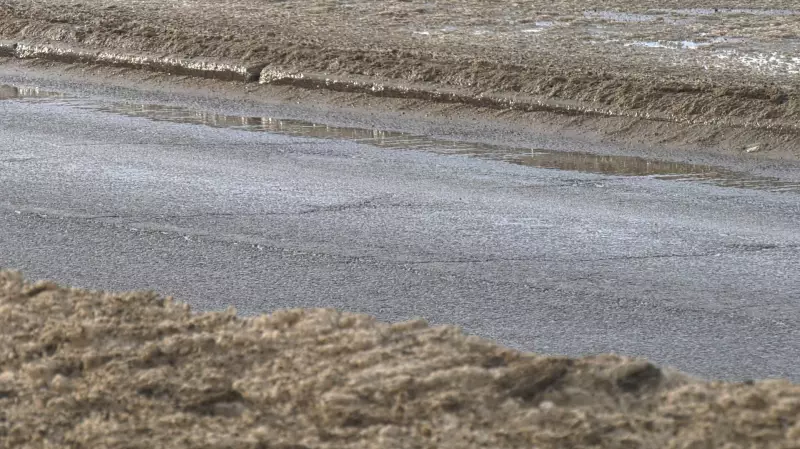
The current warm spell, recorded on January 14, 2026, is creating a deceptive scenario. While the air feels unseasonably pleasant, the thaw-and-refreeze cycle is leaving behind a layer of treacherous ice. This poses a serious risk to pedestrians and drivers alike, who may be lulled into a false sense of security by the milder readings on the thermometer.
Local authorities and meteorologists are emphasizing that the winter hazards have not disappeared. Black ice, particularly in shaded areas and on less-travelled pathways, remains a major concern. The situation serves as a stark reminder that in a Canadian prairie winter, conditions can change rapidly and dangers often lie hidden beneath a seemingly benign surface.

A Broader Context of Weather Extremes
This Saskatchewan event fits into a wider pattern of notable weather occurrences across Canada. On the same day, Edmonton experienced one of its warmest January days on record, highlighting the unusual nature of this weather system. Meanwhile, other regions are bracing for different challenges, with Environment Canada issuing snowfall warnings for areas like London, Ontario, forecasting up to 20 cm of snow.
These contrasting alerts—from unseasonable warmth to impending snowstorms—underscore the variable and often extreme nature of Canadian winters. It reinforces the need for citizens to stay informed through official channels like Environment Canada for the latest forecasts and public safety advisories specific to their region.
Staying Safe During the Thaw
Safety advocates urge residents enjoying the warmer air to remain cautious. Key recommendations include:
- Wearing proper footwear with grip when walking.
- Allowing extra time for travel and driving to conditions.
- Being especially vigilant on sidewalks early in the morning or late in the evening when ice is most likely to form.
- Paying attention to local news and weather updates for changing advisories.
While the warm Pacific air offers a welcome break from severe cold, the hidden hazards it can leave behind demand respect and preparedness. The message from officials is clear: enjoy the milder temperatures, but do not let your guard down against the silent threat of ice.