A significant winter storm is set to impact one of British Columbia's major transportation corridors, with forecasts predicting heavy snowfall on the Coquihalla Highway. Motorists planning to travel this weekend are urged to prepare for difficult and potentially dangerous driving conditions.
Significant Snowfall Expected
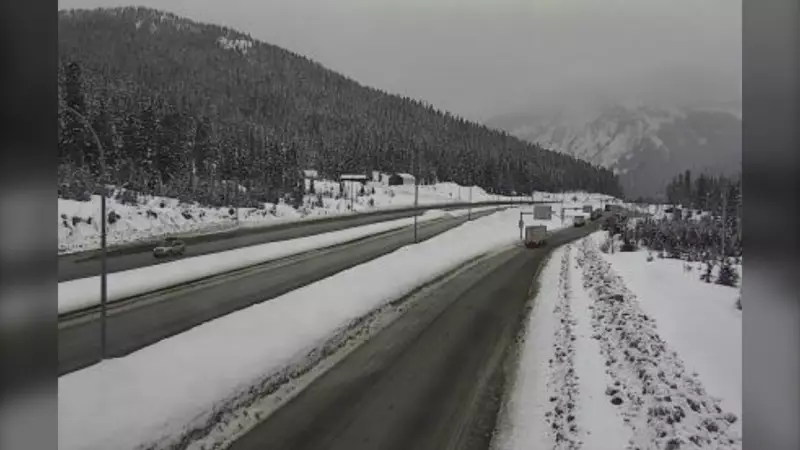
Environment Canada has issued weather advisories warning that sections of the Coquihalla Highway, also known as Highway 5, could receive up to 40 centimetres of snow starting Friday evening and continuing through Sunday. The snowfall is expected to be particularly heavy at higher elevations, including the infamous summit passes. This weather system follows a pattern of active winter conditions moving across the province.
Travel Advisories and Driver Preparedness
DriveBC, the province's official travel information service, is advising against non-essential travel on the route during the peak of the storm. Authorities emphasize that conditions can change rapidly in mountain passes. Drivers who must travel are being told to:

- Ensure their vehicle is equipped with proper winter tires, which are legally required on most BC highways until April 30.
- Carry an emergency kit with blankets, food, water, and a flashlight.
- Check the DriveBC website and webcams for real-time road conditions and closures before departing.
- Allow for substantial extra travel time and maintain a safe following distance.
The warning was issued on December 5, 2025, giving the public advance notice to alter their plans.
Broader Weather Context and Safety
The Coquihalla, which connects the Lower Mainland with the Interior, is no stranger to severe winter weather, but storms of this magnitude demand high caution. The anticipated snowfall rate could lead to reduced visibility, icy sections, and an increased risk of collisions or vehicles becoming stuck. Road maintenance crews will be working around the clock, but their efforts may be challenged by the intensity of the snowfall.
This event serves as a critical reminder for all British Columbians to stay informed about weather forecasts and official travel advisories during the winter months. Safety officials reiterate that the best way to avoid danger is to postpone travel until conditions improve after the storm system passes.