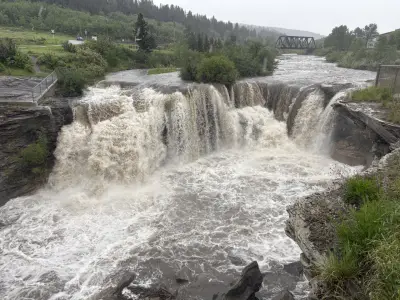
Residents across central British Columbia are experiencing a startlingly mild start to 2026, with unseasonably warm weather toppling long-standing temperature records throughout the region. The persistent high-pressure system defies typical January expectations, prompting discussions among meteorologists and climate observers.
A Wave of Unprecedented January Heat
The warm spell, which took hold in mid-January, has delivered daytime highs significantly above the historical averages for this time of year. Data from Environment and Climate Change Canada confirms that multiple communities in the central interior have surpassed previous record highs for January 15th and surrounding dates. This pattern is not an isolated anomaly but part of a broader trend of warmer-than-average conditions affecting the province.
The records broken are not marginal but represent substantial deviations from the norm, sometimes by several degrees. This sustained warmth has led to a rapid melt of any shallow snowpack in lower elevations and altered typical winter routines for both people and wildlife. The familiar deep freeze expected in the heart of winter has been notably absent.

Context and Climatic Implications
While daytime highs have been the most noticeable feature, overnight lows have also remained elevated, preventing the usual hard freeze. This consistent warmth across a 24-hour cycle has a compounded effect on the environment. Climate scientists note that while individual weather events cannot be solely attributed to climate change, the increasing frequency and intensity of such warm winter interruptions align with broader global warming projections.
The phenomenon raises questions about long-term impacts on water cycles, as winter snowpack is a critical freshwater reservoir for the spring and summer months. A reduced or prematurely melting snowpack can have downstream effects on agriculture, forestry, and municipal water supplies later in the year.
Local Response and Looking Ahead
For now, the weather has been a welcome reprieve for some residents, reducing heating costs and making outdoor activities more pleasant. However, it also brings unease about the stability of seasonal patterns. Local officials and emergency managers are mindful that such warm periods in winter can sometimes be followed by sharp returns to cold weather, which may create icy conditions.
Meteorological models suggest the ridge of high pressure responsible for the warmth will eventually break down, allowing more seasonal air to filter back into the region. The duration of this record-breaking warm spell remains the key question for forecasters. Regardless of its length, the event of January 2026 has already etched itself into the climatic history of central British Columbia, serving as a potent example of the province's evolving and increasingly variable winter weather.