Super Typhoon Sinlakua Unleashes Havoc on U.S. Pacific Territories
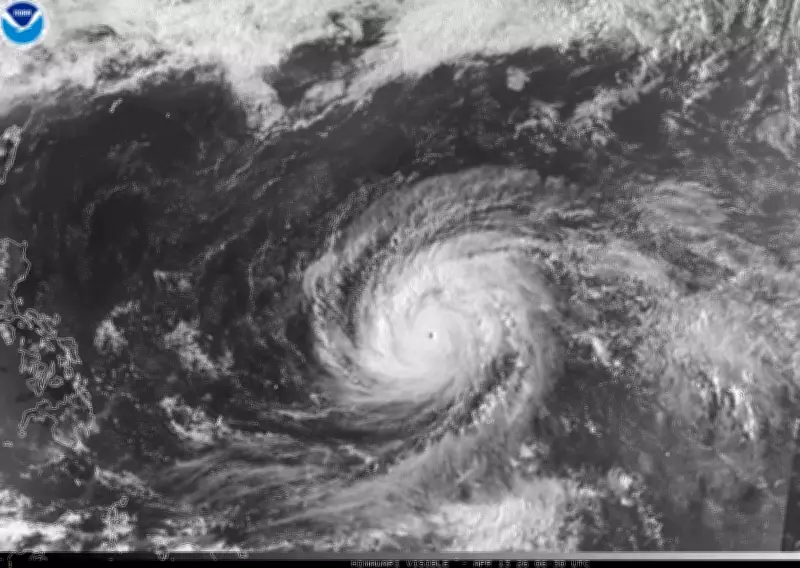
A monstrous super typhoon has wreaked havoc across several U.S. islands in the vast Pacific Ocean, leaving a trail of destruction in its wake. The storm, identified as Typhoon Sinlakua, flipped over numerous vehicles and violently ripped roofs from buildings, according to reports from the region. Satellite imagery provided by the National Oceanographic and Atmospheric Administration (NOAA) vividly captures the immense scale of this weather phenomenon as it churned through the ocean on Monday, April 13, 2026.
Unprecedented Damage and Widespread Disruption
The impact of Typhoon Sinlakua has been severe and far-reaching. Residents on the affected islands are confronting scenes of chaos, with cars overturned by the ferocious winds and homes stripped of their roofing materials. The storm's intensity underscores the growing threat posed by extreme weather events in vulnerable coastal and island communities. Emergency response teams are likely mobilizing to assess the full extent of the damage and provide crucial aid to those impacted by this natural disaster.
NOAA's monitoring capabilities played a key role in tracking the typhoon's development and path. The satellite image released by the agency shows a well-defined, powerful storm system, highlighting the advanced technology used to predict and study such catastrophic events. This data is essential for issuing timely warnings and preparing populations for impending severe weather.

Context of Increasing Climatic Extremes
This devastating event occurs amidst a broader global pattern of intensifying and more frequent extreme weather occurrences, often linked to broader climatic changes. Typhoons and hurricanes of similar magnitude pose significant risks to infrastructure, safety, and local economies, particularly in isolated island regions. The aftermath of Sinlakua will involve considerable recovery efforts, focusing on rebuilding damaged structures, restoring essential services, and supporting displaced residents.
The situation on these U.S. Pacific islands serves as a stark reminder of the destructive power inherent in nature and the critical importance of robust disaster preparedness and resilient infrastructure. As communities begin the arduous process of recovery, the focus will shift to long-term strategies aimed at mitigating the impacts of future storms in an era marked by climatic uncertainty.