Toronto's Major Snowstorm Sparks Memories of 1999 Military Deployment
A significant winter storm that struck Toronto on Sunday, January 26, 2026, has drawn inevitable comparisons to the historic blizzards that paralyzed the city twenty-seven years earlier. The recent snowfall, which broke records in some areas, immediately brought to mind the events of January 1999, when then-mayor Mel Lastman made the unprecedented decision to call in the Canadian military for snow-clearing assistance.
Record-Breaking Snowfall in 2026
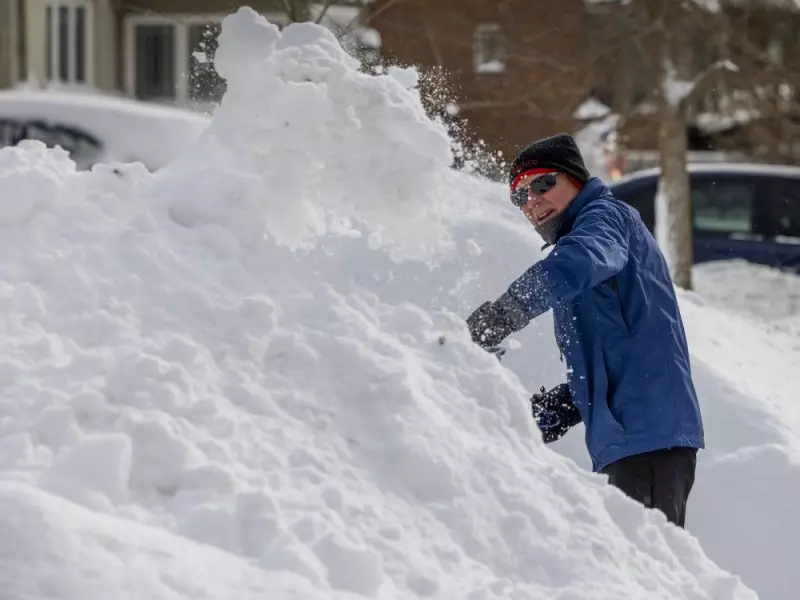
Environment Canada reported that Toronto's city centre received an estimated 56 centimetres of snow during the Sunday storm, while Pearson International Airport recorded 46 centimetres. However, volunteer measurements indicated even higher totals, with 61 centimetres downtown and 65 centimetres in Scarborough along the Lake Ontario shoreline.
The weather agency described the event as "a large and strong low pressure area passing by to the south of the Great Lakes" that created "significant impacts on transportation with frequent dangerous winter driving conditions due to near zero visibility in snow and blowing snow."

The 46 centimetres at Pearson Airport represents the highest daily snowfall total ever recorded at that location. Furthermore, the 88.2 centimetres of snow for January 2026 marked the highest monthly total since 1937, when consistent weather record-keeping began.
Transportation Disruptions and City Response
The storm's impact on transportation was substantial. The Toronto Transit Commission experienced service interruptions on Lines 1, 2, and 6, while GO Transit reported delays across several of its rail lines. The Ontario Provincial Police responded to approximately 200 collisions and another 150 calls for vehicles stuck in ditches throughout the affected region.
Toronto Mayor Olivia Chow announced that the city had deployed 600 plows and 1,300 staff and contractors to clear roads and sidewalks following the major storm. "In the coming days, we'll ramp up removal operations, especially on narrow, residential streets where space is tight," Chow stated, emphasizing the city's commitment to complete snow clearance.
The Historic 1999 Blizzard Comparison
In January 1999, Toronto experienced multiple snowstorms that culminated in what became known as the "Snowmageddon" event. According to Public Safety Canada records, the first storm deposited 40 centimetres of snow at the beginning of the month. Additional snowfall followed the next weekend, and less than a week later, a major blizzard dumped 78 centimetres on the city.
By January 13, 1999, Toronto had accumulated a staggering 118 centimetres of snow. The final storm paralyzed the city, affecting roads, shutting down parts of the TTC, cancelling flights at Pearson Airport, and closing schools. This extreme situation prompted Mayor Mel Lastman to call in hundreds of armed forces members from Petawawa to assist with snow removal operations.
Military Assistance and Public Reaction
Lastman's decision to deploy military personnel drew both criticism and support. The former mayor, who passed away in 2021, defended his actions when questioned by media about whether he had "pressed the panic button."
"Hey, better safe than sorry," Lastman responded. "And if you don't like it — too bad because the safety of the people of Toronto is more important than anything else."
In addition to clearing snow, soldiers assisted stranded travellers and transported people to hospitals when ambulances could not navigate the snow-clogged streets. The military deployment lasted two days before Lastman called off the troops and thanked them for their service.
Analyzing the Two Winter Events
While the 2026 storm produced impressive snowfall totals, particularly in specific neighbourhoods, the 1999 events involved significantly greater accumulation over a shorter period. The 1999 blizzard's 78-centimetre single-storm total exceeded even the highest volunteer measurements from the 2026 event.

Both storms demonstrated Toronto's vulnerability to extreme winter weather and highlighted the challenges municipal governments face in managing such events. The comparison also reveals how snow removal strategies and infrastructure have evolved over nearly three decades, with current operations relying on extensive contractor networks rather than military assistance.
The cleanup continued throughout Monday, January 27, 2026, as residents and city crews worked to restore normalcy following the major winter storm that will likely be remembered alongside the historic 1999 blizzard in Toronto's weather history.