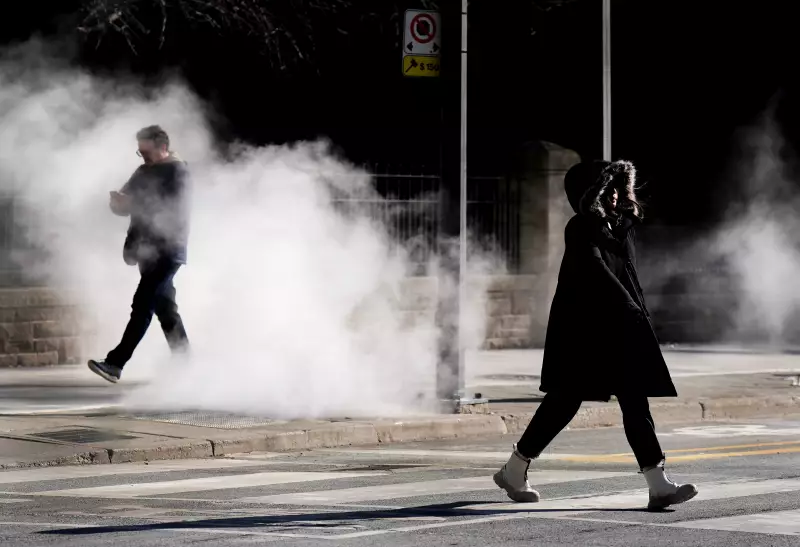
Toronto Confronts Bitter Cold as Wind Chills Approach -30°C Threshold
Environment Canada has issued urgent extreme cold warnings for Toronto and surrounding regions as a severe Arctic air mass descends upon southern Ontario. The meteorological agency forecasts dangerously low temperatures with wind chill values potentially reaching -30°C, creating hazardous conditions for residents across the Greater Toronto Area.
Winter Hazards and Safety Precautions
Health authorities emphasize that exposed skin can develop frostbite within minutes under these extreme conditions. Medical experts strongly advise limiting outdoor exposure and dressing in multiple layers, including insulated outerwear, hats, gloves, and face protection. Vulnerable populations including seniors, children, and those experiencing homelessness face particular risks during such cold snaps.
Emergency services across Ontario are preparing for increased calls related to cold exposure, while municipalities activate warming centers and extreme weather protocols. Toronto Public Health reminds residents to check on neighbors, especially those living alone or with limited mobility, during this prolonged cold period.

The Science Behind Winter Phenomena
As temperatures plummet across the province, environmental scientists explain unusual winter occurrences that accompany such deep freezes. The "exploding tree" phenomenon occurs when rapid temperature drops cause sap within trees to freeze and expand, sometimes resulting in loud cracking sounds or bark splitting. While dramatic, this natural process rarely causes significant damage to healthy trees.
Meteorologists note that this cold snap results from a combination of factors including a strong polar vortex displacement and high-pressure systems directing Arctic air southward. The current pattern mirrors historical cold outbreaks that have periodically affected the region, though climate change continues to alter the frequency and intensity of such events.
Regional Impacts and Extended Forecast
The extreme cold warning extends beyond Toronto to encompass much of southern Ontario, with some rural areas potentially experiencing even lower wind chill values. Environment Canada's warning system categorizes these conditions as posing significant health risks to anyone without adequate protection.
Transportation officials caution drivers about potential vehicle issues in extreme cold, including battery failures and frozen fuel lines. Public transit systems typically experience increased ridership during such weather events, with agencies preparing for potential service adjustments.
Looking ahead, forecast models suggest the coldest conditions will persist through the weekend before moderating early next week. However, meteorologists caution that additional cold outbreaks remain possible throughout the remainder of the winter season, consistent with typical Canadian winter patterns.