Sri Lankan authorities have issued urgent warnings for potential landslides across the country as the confirmed death toll from a catastrophic cyclone has now reached 627 people. The disaster, which brought torrential rains and severe flooding, has left a trail of destruction, with recovery efforts ongoing amidst the threat of further geological hazards.
Widespread Destruction and Ongoing Threats
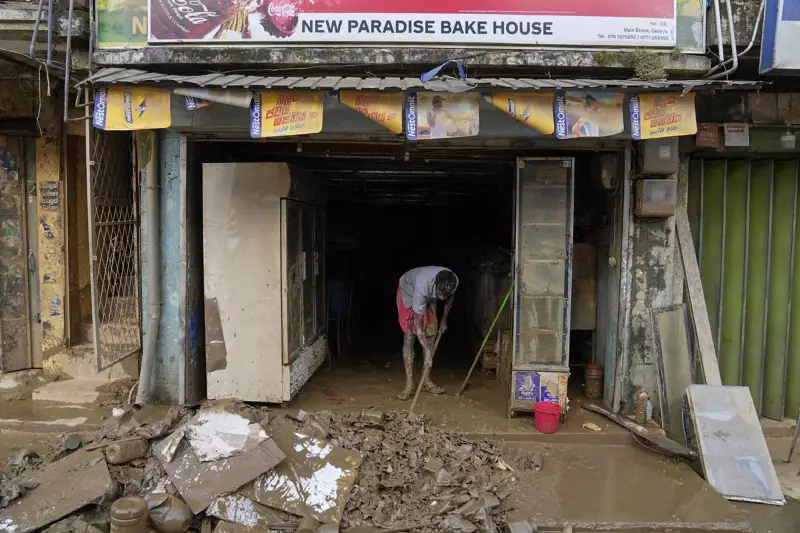
The scale of the devastation became clear in the days following the cyclone's impact. Photographs from the town of Gelioya, taken on Monday, December 1, 2025, show residents like one shop owner desperately cleaning thick mud and slush from his business premises. The images, captured by Associated Press photographer Eranga Jayawardena, underscore the immense clean-up challenge facing the island nation.
With the ground saturated from the relentless rainfall, the National Building Research Organisation (NBRO) of Sri Lanka has raised red flags for landslides in several districts. The warnings urge communities in hilly and mountainous regions to remain vigilant and prepare for possible evacuation, adding another layer of crisis to an already dire humanitarian situation.

A Rising Human Toll
The human cost of the storm continues to climb sharply. Official figures released confirm that at least 627 individuals have lost their lives due to the cyclone and its aftermath. Search and rescue operations are still active in the hardest-hit areas, with emergency teams battling damaged infrastructure and blocked roads to reach isolated communities.
Thousands more have been displaced from their homes, seeking shelter in temporary relief camps set up by the government and aid organizations. The flooding has contaminated water sources and damaged crucial crops, raising immediate concerns about food security and the spread of waterborne diseases in the coming weeks.
Global Context and Climate Concerns
This disaster in Sri Lanka occurs against a backdrop of increasing extreme weather events globally, a trend scientists frequently link to the broader climate crisis. The intensity and rainfall associated with such cyclones are often amplified by warmer ocean temperatures.
The event highlights the acute vulnerability of coastal and island nations to severe meteorological phenomena. Disaster management experts point to the need for robust early warning systems and resilient infrastructure, lessons that are increasingly relevant for communities worldwide facing similar climate-related threats.
International aid is beginning to flow into Sri Lanka, but the road to recovery will be long. The immediate priorities remain locating survivors, providing medical care, clean water, and shelter to the displaced, and preventing a secondary disaster triggered by landslides.