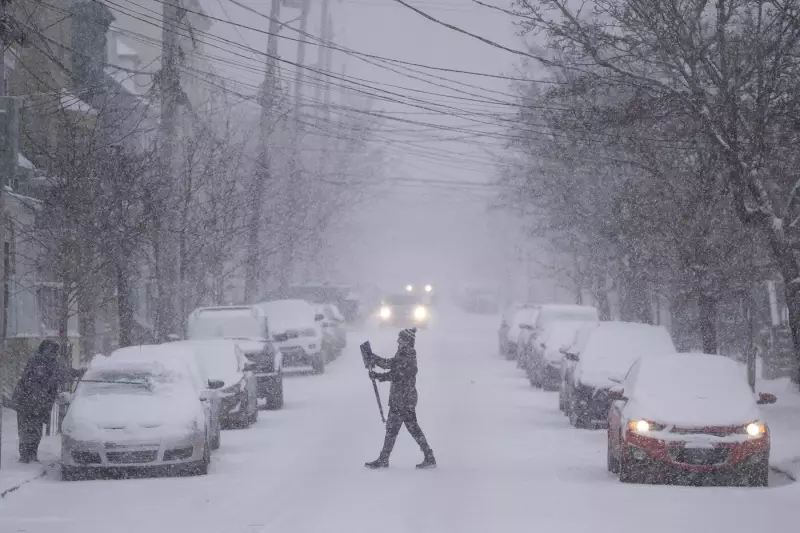
Environment Canada meteorologists have issued special weather statements for the entirety of Nova Scotia and portions of Prince Edward Island, warning residents of incoming snowfall expected to begin on Monday.
Forecast Details and Expected Accumulations
The national weather service indicates that a developing low-pressure system will bring a period of snow to the region. While exact accumulations are still being fine-tuned, current models suggest the potential for several centimeters of snow across the affected areas. The precipitation is anticipated to start Monday and may impact the morning and evening commutes.
This early-season weather event serves as a reminder that winter conditions are settling in across Atlantic Canada. The statements were officially issued on December 7, 2025, giving residents and municipalities time to prepare.

Preparations and Travel Advisory
Authorities are urging the public to monitor updated forecasts closely, as the track and intensity of the system could change, altering snowfall totals. Residents should prepare for potentially hazardous travel conditions.
Recommended preparations include:
- Checking the latest road conditions before departing.
- Ensuring vehicles are equipped with winter tires and emergency kits.
- Allowing extra time for travel on Monday.
- Being mindful of potential for reduced visibility in heavier snow bands.
Context of Early Winter Weather
The announcement follows other winter weather events in the region, including a significant storm that blanketed Halifax with heavy snow and high winds in late January of 2025. These special weather statements are a standard tool used by Environment Canada to alert the public to potential disruptive weather before more severe watches or warnings are required.
As the situation develops, Environment Canada will provide updates and may upgrade the statements to snowfall warnings if confidence in higher accumulation amounts increases. Residents in Nova Scotia and Prince Edward Island are advised to stay informed through official channels.