Winter Weather Alert: Snow Squall Warnings Remain in Effect for Multiple Ontario Regions
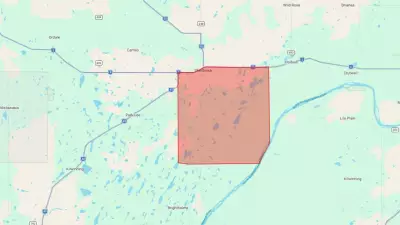
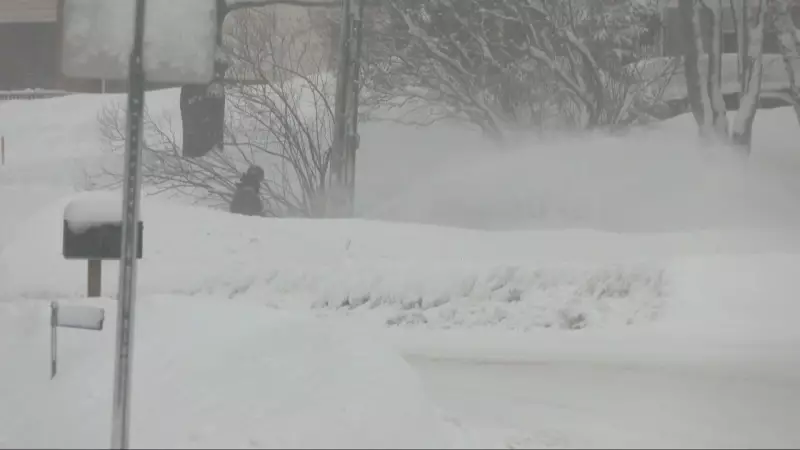
Environment Canada has continued to issue snow squall warnings for several parts of Ontario as hazardous winter conditions persist across the province. The weather agency maintains active alerts for regions including Sudbury and Sault Ste. Marie, where residents are experiencing reduced visibility and rapidly accumulating snow.
Current Weather Conditions and Safety Concerns
The persistent snow squalls are creating dangerous driving conditions throughout affected areas. Environment Canada emphasizes that these weather events can produce sudden whiteout conditions, making travel extremely hazardous. Motorists are advised to exercise extreme caution or avoid non-essential travel when warnings are in effect.
Snow squalls typically occur when cold air moves over relatively warmer bodies of water, creating bands of intense snowfall that can deposit significant amounts of snow in localized areas. These conditions are particularly common around the Great Lakes region during winter months.

Regional Impact and Response
Municipalities across the warning areas have activated winter maintenance protocols, with snow removal crews working to keep major roadways clear. However, the intensity and localized nature of snow squalls can quickly overwhelm standard clearing operations, creating challenging conditions for both residents and emergency services.
Local authorities are reminding residents to prepare for potential power outages and to check on vulnerable neighbors during these winter weather events. The combination of heavy snowfall and strong winds can lead to downed power lines and tree branches, creating additional hazards.
Weather Patterns and Climate Considerations
These persistent snow squall warnings come as Canadian federal scientists note that this year is expected to rival some of the hottest ever recorded globally. While this may seem contradictory, climate experts explain that warmer overall temperatures can actually contribute to more intense winter precipitation events in certain regions.
The current weather pattern affecting Ontario demonstrates the complex relationship between broader climate trends and localized weather phenomena. As the planet continues to warm, understanding these interactions becomes increasingly important for both short-term forecasting and long-term climate adaptation planning.
Safety Recommendations for Residents
Environment Canada and local authorities recommend several precautions during snow squall warnings:
- Limit non-essential travel during peak squall activity
- Keep emergency kits in vehicles with blankets, food, and water
- Monitor weather updates regularly for changing conditions
- Prepare for potential power interruptions with alternative heating sources
- Clear snow from vents and exhaust pipes to prevent carbon monoxide buildup
As winter continues across Ontario, residents in affected regions should remain vigilant about changing weather conditions and follow guidance from local authorities and Environment Canada meteorologists.