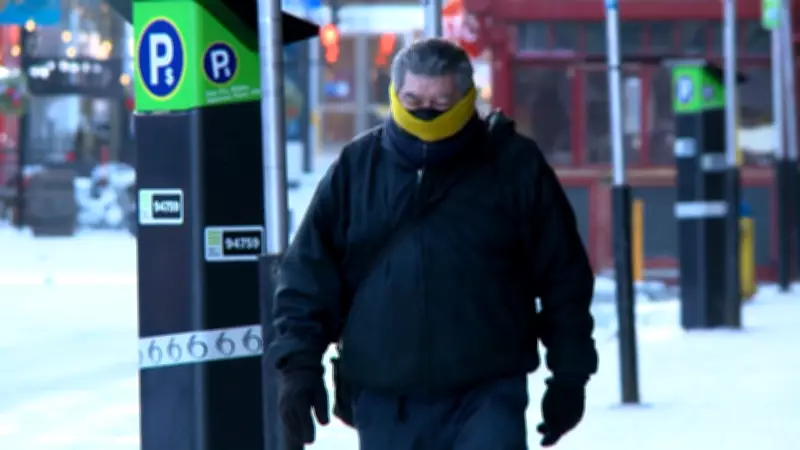
Ottawa Braces for Dangerous Windchills as Environment Canada Cold Warning Remains in Effect
Environment Canada has issued a stark warning for residents of Ottawa as the capital faces potentially life-threatening windchill values ranging from -35°C to -40°C. The national weather agency has maintained its extreme cold warning for the region, emphasizing the significant health risks posed by these frigid conditions. This persistent cold snap is part of a broader deep freeze currently gripping much of Ontario, creating hazardous winter weather across the province.
Severe Weather Pattern Creates Temperature Extremes Across Canada
The current weather situation presents a dramatic contrast between eastern and western Canada. While Ontario battles dangerously low temperatures, British Columbia and Alberta are experiencing unseasonably mild conditions described as "balmy" by meteorologists. This temperature divide is attributed to a pronounced dip in the jet stream that has directed Arctic air southward into Ontario while allowing warmer Pacific air to dominate western regions.
Environment Canada emphasizes that windchill values of -35°C to -40°C can cause frostbite on exposed skin in as little as 5 to 10 minutes. The agency advises residents to limit time outdoors, dress in multiple layers with wind-resistant outerwear, and watch for signs of frostbite and hypothermia. Vulnerable populations including children, seniors, and those with pre-existing health conditions are particularly at risk during these extreme conditions.

Cold Warning Impacts and Safety Recommendations
The ongoing cold warning affects multiple regions across Ontario, with Ottawa experiencing some of the most severe conditions. Environment Canada's warning system is designed to alert the public when temperatures or windchill create elevated risks to health and safety. The current warning reflects the persistence of Arctic air masses over eastern Canada, with no immediate relief expected in the forecast.
Local authorities are reminding residents to take several important precautions during this extreme cold event:
- Check on vulnerable neighbors, friends, and family members regularly
- Ensure pets have adequate shelter and limit their time outdoors
- Keep emergency kits in vehicles and maintain at least half a tank of fuel
- Be aware of symptoms of cold-related illnesses including shivering, confusion, and numbness
- Prepare homes by ensuring adequate heating and preventing frozen pipes
The extreme cold warning comes as part of a pattern of volatile winter weather across Canada, with different regions experiencing dramatically different conditions. While Ottawa residents bundle up against the bitter cold, western Canadians are enjoying milder temperatures that contrast sharply with the deep freeze affecting Ontario. Environment Canada continues to monitor the situation closely and will update warnings as conditions evolve.