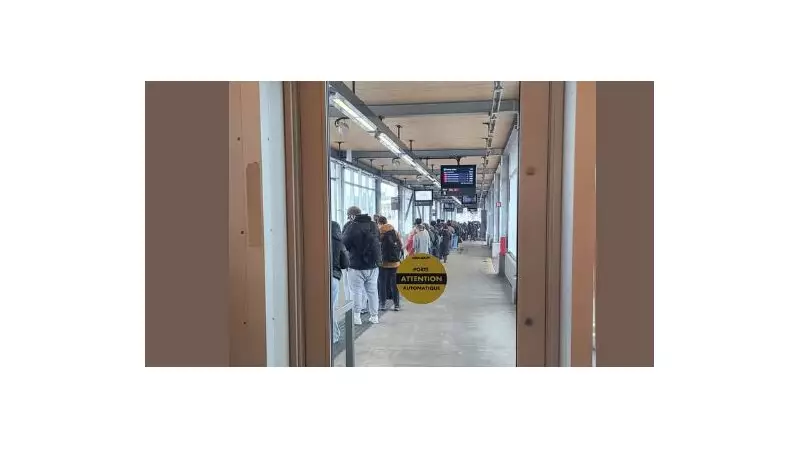
Montreal's Réseau express métropolitain (REM) light rail system faced a significant service interruption on the morning of January 15, 2026, after operations were halted by what officials described as tricky weather conditions. The disruption left commuters waiting on platforms, as captured in a social media post by Abigail Dawe-Roy, highlighting the immediate impact on the city's transit network.
Weather Woes Paralyze Key Transit Link
The service suspension occurred at approximately 7:05 AM EST, creating immediate challenges for morning commuters. While specific details on the exact nature of the weather issue were not fully disclosed, the term "tricky weather conditions" suggests a combination of factors such as ice, heavy snow, or extreme cold affecting the automated system's safety protocols. This incident underscores the vulnerability of modern transit infrastructure to Canada's harsh winter elements.
A National Pattern of Severe Winter Weather
The REM disruption was not an isolated event but part of a broader pattern of severe weather affecting Canada. On the same day, schools were closed across Toronto and the Greater Toronto Area (GTA) due to a significant snowstorm. Forecasts indicated Toronto could receive its largest snowfall of the year. Meanwhile, Environment Canada warned of up to 20 cm of snow heading for some communities, and Ottawa braced for a potential 25 cm from the biggest snowstorm of the season.

In stark contrast, western Canada faced different extremes. Edmonton recorded one of its warmest January days on record, while British Columbia's South Coast was under a 'dense fog' advisory. These disparate conditions paint a picture of a nation grappling with a wide and disruptive range of winter weather phenomena.
Broader Implications for Infrastructure and Commuters
The REM shutdown serves as a focal point for discussions on climate resilience and infrastructure preparedness. As a relatively new and fully automated system, its sensitivity to specific weather conditions raises questions about design parameters and contingency planning. The incident forced hundreds, if not thousands, of passengers to seek alternative transportation during the morning rush, disrupting work schedules and daily routines.
This transit failure occurred against a backdrop of other infrastructure stresses reported nationally, such as the Alberta government's review of Calgary water main breaks. It highlights an ongoing need for investment in resilient public systems capable of withstanding increasingly volatile weather patterns linked to climate change.
For Montrealers, the REM has become a critical piece of the urban mobility puzzle since its inauguration. Service interruptions, especially those caused by predictable seasonal weather, test public confidence and emphasize the importance of robust maintenance and rapid response protocols from the system's operators.