Arctic Air Mass Set to Plunge Montreal into Dangerous Deep Freeze
Montreal residents are preparing for a severe cold snap as Environment Canada has issued extreme cold warnings for the region, with wind chill values expected to plummet to near -50°C by the weekend. The meteorological agency forecasts that an Arctic air mass will descend upon Quebec, bringing potentially record-breaking low temperatures to the city and surrounding areas.
Historical Context and Current Forecast
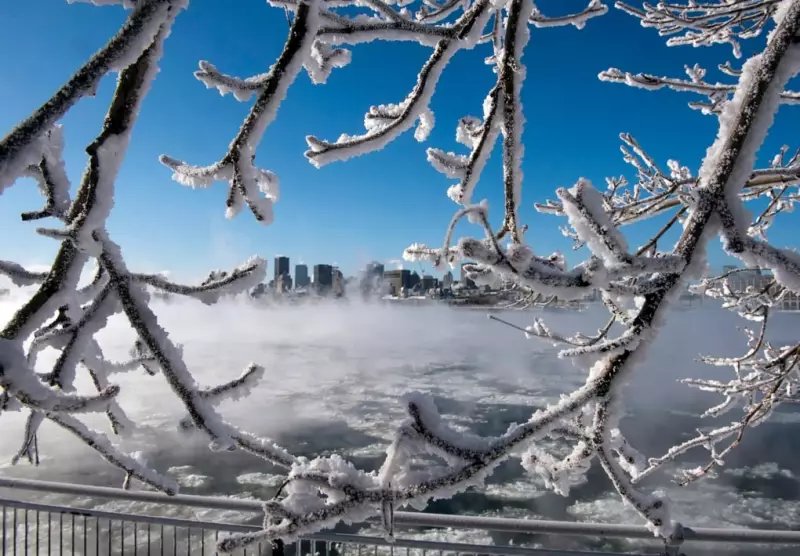
The impending deep freeze recalls previous extreme cold events in Montreal's history, including the January 2013 episode when ice fog from the St. Lawrence River blanketed the city as wind chill temperatures hit -38°C. Current models suggest this weekend's conditions could be even more severe, with the polar vortex driving frigid air southward across Canada.
Environment Canada meteorologists emphasize that these temperatures pose significant health risks, particularly for vulnerable populations including seniors, children, and those experiencing homelessness. The agency recommends limiting outdoor exposure and dressing in multiple layers when venturing outside.

Municipal Response and Safety Measures
In anticipation of the extreme conditions, Montreal officials have announced the opening of additional warming centres across the city. Similar measures are being implemented in other Canadian cities facing the cold snap, including Regina where a new 24-hour warming centre recently opened as cold weather grips the region.
Public health authorities are urging residents to:
- Check on vulnerable neighbors and family members
- Ensure proper home heating and prevent frozen pipes
- Recognize symptoms of frostbite and hypothermia
- Limit outdoor activities during peak cold periods
Broader Weather Patterns Across Canada
The Montreal deep freeze coincides with extreme cold warnings sweeping across much of Canada, with some regions forecasting lows near -50°C. This weather system connects to broader atmospheric patterns, including a major winter storm affecting the United States that may influence Maritime weather conditions.
Meanwhile, Toronto residents are experiencing their own cold spell with Friday temperatures feeling like -24°C due to wind chill, while up to 30 cm of snow squalls are possible in some regions with extreme cold weather expected to persist through the weekend.
Climate Change Context and Winter Adaptation
While extreme cold events continue to occur, climate scientists note the complex relationship between global warming and winter weather patterns. Researchers are examining how warming trends might affect the frequency and intensity of polar vortex disruptions that drive Arctic air southward.
The current cold snap raises questions about winter adaptation strategies for cities like Montreal, particularly regarding infrastructure resilience, emergency response systems, and support services for vulnerable populations during extreme weather events.