A significant and prolonged drought that gripped Canada's Maritime provinces throughout 2025 has earned a prominent spot on the list of the nation's top ten weather stories for the year. The event, characterized by exceptionally dry conditions, had wide-ranging effects on agriculture, water resources, and local ecosystems, underscoring the region's vulnerability to extreme weather patterns.
The Scope and Impact of the Dry Spell
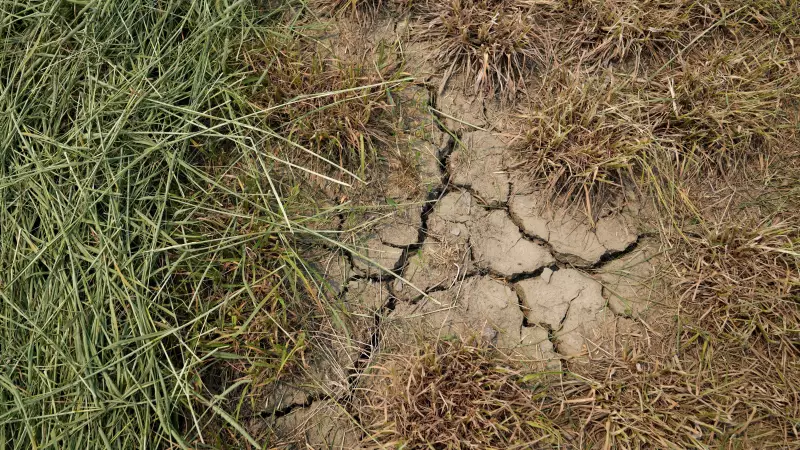
The drought was not a short-term event but a persistent dry period that affected Nova Scotia, New Brunswick, and Prince Edward Island. Meteorological data indicated rainfall deficits well below seasonal averages for consecutive months, leading to depleted soil moisture and lowering water levels in rivers, lakes, and reservoirs. The dry conditions created significant stress for farmers, who faced challenges with crop yields and livestock feed, and heightened wildfire risks across the region's forests.
While the specific details of the drought's ranking within the top ten list were not disclosed in the initial report, its inclusion highlights the severity of the event on a national scale. Environment and Climate Change Canada compiles this annual list, which typically includes major storms, heatwaves, floods, and other significant meteorological phenomena that impact the country's environment, economy, and population.

A Broader Context of Weather Extremes
The recognition of the Maritime drought comes amidst a year that saw other notable weather events across Canada, from intense winter storms in Alberta and Manitoba to rising flu cases linked to seasonal patterns in the Atlantic region. The listing, published on December 18, 2025, places the regional drought alongside other national-scale weather disruptions, emphasizing that water scarcity is a critical issue not only for western provinces but for eastern Canada as well.
This event has spurred conversations among scientists, policymakers, and community leaders about long-term water management and climate adaptation strategies. The drought's effects are a stark reminder of the increasing frequency and intensity of extreme weather events, which are consistent with broader climate change projections for Canada.
Looking Ahead: Implications and Preparedness
The designation of the Maritime drought as a top weather story of 2025 serves as an important record and a call to action. It documents a major environmental stressor for the region and provides a reference point for future planning. Communities, agricultural sectors, and water management authorities are likely to use the lessons learned from this dry period to bolster resilience against similar events in the coming years.
As climate patterns continue to evolve, the experience of the Maritimes in 2025 underscores the need for proactive measures, including updated irrigation practices, enhanced water conservation public awareness campaigns, and investments in infrastructure to better withstand periods of prolonged dryness. The story of this drought is now firmly etched into Canada's annual weather history, marking a year when the Atlantic provinces faced a formidable challenge from the skies that failed to deliver.