The intense winter storm system that brought traffic to a standstill and triggered numerous collisions across the Prairies has now shifted eastward, bringing significant snowfall and hazardous conditions to parts of Ontario and Quebec.
Storm's Path of Disruption
Originating as an Alberta clipper, the system first wreaked havoc on the Prairies beginning Thursday, December 18, 2025. Environment Canada had issued a Blizzard Warning for Saskatoon as the storm tracked across the region. The chaos was severe, with RCMP responding to dozens of crashes across Saskatchewan as the winter storm took its toll. In Alberta, conditions became so extreme that Calgary police advised residents not to drive, and a massive collision involving 80 to 100 vehicles forced the closure of the QEII highway north of Calgary.
Eastern Canada Braces for Impact
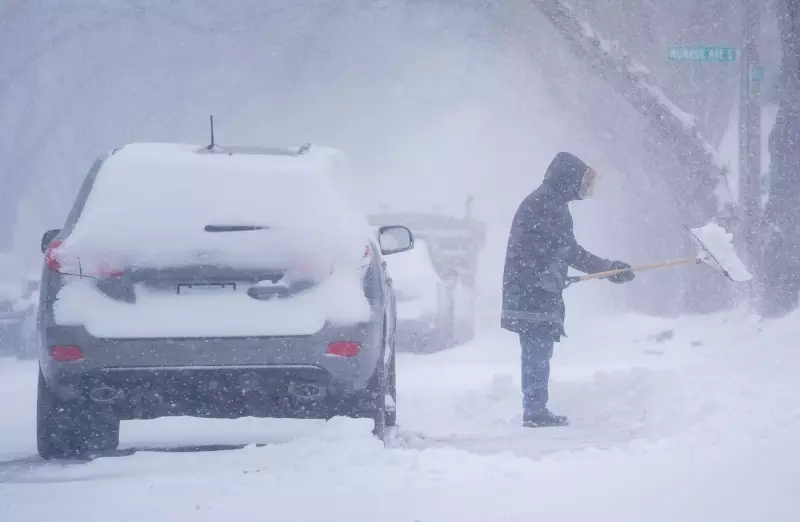
By Friday, the system's core began impacting Ontario and Quebec. Environment Canada has issued a series of winter weather travel advisories and snowfall warnings for a broad swath of both provinces. The storm is expected to deliver heavy snow, with potential accumulations of 15 to 25 centimetres in some areas, coupled with strong winds that will reduce visibility and create near-blizzard conditions at times.

Major highways in affected regions are experiencing reduced speeds and dangerous driving conditions. Municipalities are advising residents to postpone non-essential travel and to prepare for possible power outages. Snow plow operators are working extended shifts to keep major arteries clear, but side streets may remain difficult to navigate until the storm passes.
Broader Context of a Busy Storm Season
This storm is part of an active and early winter season across Canada. The news of its eastward movement comes alongside other weather-related reports, including extreme cold warnings in the territories and busy conditions at hospitals like CHEO in Ottawa, which has seen a sharp increase in flu cases. The storm's timing, just a week before Christmas, is also disrupting holiday travel plans and last-minute shopping.
Residents in the storm's path are urged to monitor local forecasts from Environment Canada for the most current warnings. Officials emphasize that the safest place during the height of the storm is indoors. If travel is absolutely necessary, drivers are advised to have a winter survival kit in their vehicle, including blankets, food, water, and a fully charged phone.