Ontario Residents Startled by Magnitude 3.7 Earthquake Near Orillia
A significant seismic event rattled parts of southern Ontario on January 27, 2026, as a magnitude 3.7 earthquake struck near the city of Orillia. The tremor, which occurred at a shallow depth, was felt across a wide area, prompting numerous reports from residents who took to social media and official channels to describe the unexpected shaking.
Widespread Reports and Public Reaction
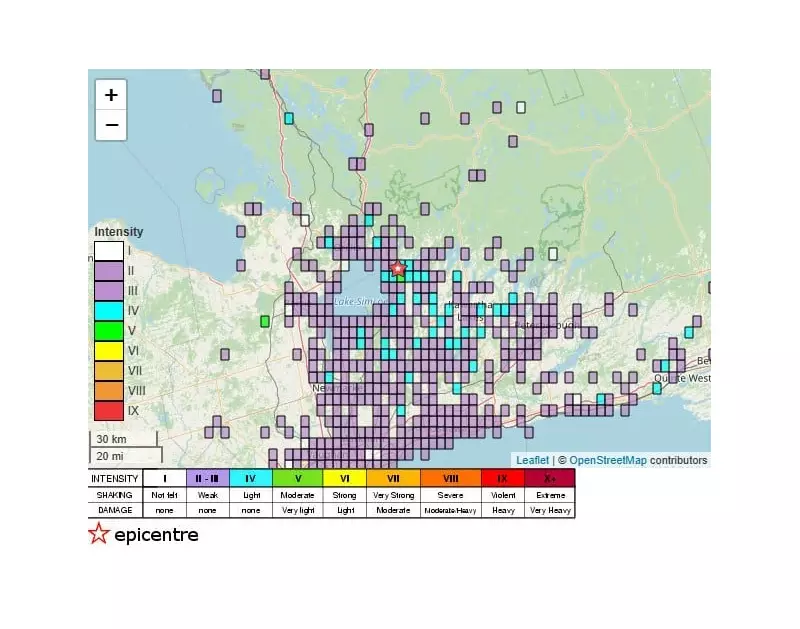
Natural Resources Canada quickly mapped the incident, showing a concentration of reports from the epicentral region near Orillia, with effects extending into the Greater Toronto Area and beyond. Residents described sensations ranging from a subtle rumble to more pronounced vibrations, with many expressing surprise given Ontario's relatively low seismic activity compared to other regions in Canada.
"What was that?" became a common refrain online as people shared their experiences. While no major damage or injuries have been reported, the event served as a reminder of the province's geological dynamics. Earthquakes of this magnitude are uncommon but not unheard of in Ontario, typically resulting from ancient fault lines reactivating under stress.

Scientific Context and Safety Implications
According to seismologists, a magnitude 3.7 earthquake is considered light but can be distinctly felt by people indoors, especially in upper floors of buildings. It is unlikely to cause structural damage but can startle communities unaccustomed to such events. This incident highlights the importance of earthquake preparedness, even in areas not traditionally associated with high seismic risk.
Natural Resources Canada continues to monitor the situation, analyzing data to better understand the fault mechanisms involved. Officials emphasize that while this event was minor, it underscores the need for public awareness about drop, cover, and hold on procedures during earthquakes.
The earthquake near Orillia adds to a growing record of seismic activity in eastern Canada, where geological studies suggest increasing awareness of potential risks. Residents are advised to stay informed through official channels and report any unusual observations to contribute to ongoing research.