Environment Canada is warning residents across southwestern Ontario to brace for a potential spike in flood risk as a pronounced January thaw sets in. The rapid warming trend, expected to last several days, threatens to break up river ice, creating conditions ripe for dangerous ice jams and subsequent flooding.
What Causes an Ice Jam?
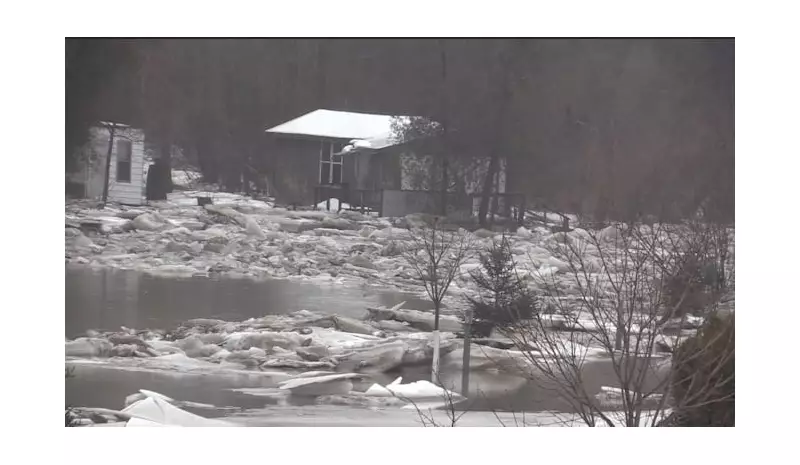
An ice jam occurs when large pieces of river ice break apart during a thaw, only to pile up and create a natural dam at narrow points, bends, or near bridges. This blockage can cause water to rise rapidly upstream, often spilling over banks with little warning. Once the jam suddenly breaks, a surge of water and ice can rush downstream, causing significant damage to property and infrastructure.
The community of Goderich, Ontario, is highlighted as an area of particular concern. Historical precedent, including a notable ice jam event captured near the Lake Huron shoreline in January 2023, demonstrates the region's vulnerability to such phenomena. The combination of accumulated snowpack and existing river ice makes this thaw period especially hazardous.

Current Conditions and Historical Context
The current weather pattern marks a sharp departure from the recent cold snap. Meteorologists note that these periodic mid-winter thaws are not uncommon but their intensity and the resulting hydrological impact can vary greatly. The referenced 2023 event serves as a stark reminder of the potential for disruption.
Local conservation authorities and emergency management officials are closely monitoring water levels on rivers and tributaries throughout the region. They are urging residents living in low-lying areas or near waterways to take precautions.
Safety Recommendations for Residents
Officials have issued a series of recommendations for the public:
- Avoid all waterways, as banks can be unstable and currents deceptively strong.
- Secure property in areas known to be flood-prone.
- Have an emergency kit ready, including important documents, medications, and essentials for 72 hours.
- Stay informed by monitoring local weather alerts and updates from official sources.
While the thaw brings temporary relief from the deep freeze, it introduces a different set of environmental risks. The situation underscores the complex challenges posed by Canada's dynamic winter climate, where a rapid temperature shift can quickly transition a landscape from frozen stillness to moving water and potential danger.